Laser Marking Machine Product Hub
Laser Marking Machines
Compare laser marking machines by laser source, machine structure and production configuration. Start with Fiber, UV or CO2 according to the material and marking result, then choose the equipment structure that matches how the part is loaded, positioned, guarded and integrated into production.
- Fiber, UV and CO2 source families
- Desktop, enclosed, portable, flying, vision and 3D structures
- Sample validation before final configuration
Choose by laser source
Fiber, UV and CO2 Laser Marking Machines
Laser source is the first technical selection axis because wavelength and pulse behavior determine how energy interacts with the workpiece surface. The final choice still depends on the actual material, coating, geometry, target mark and production requirement.
Laser source family
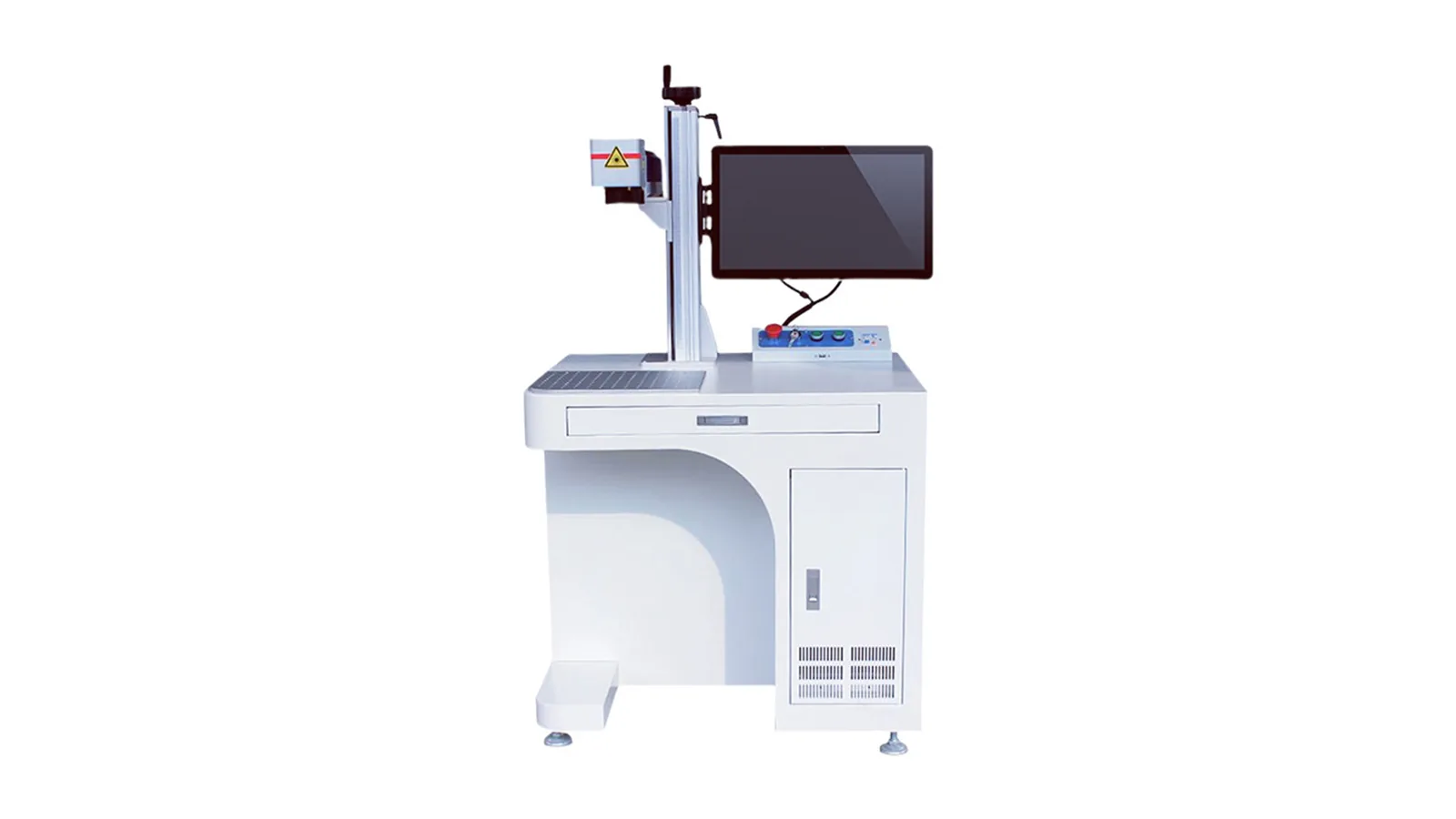
Fiber Laser Marking Machines
The main route for durable marking on metals, coated metals and selected engineering plastics. Fiber systems are commonly configured for serial numbers, logos, traceability codes, high-contrast marking, surface marking and engraving tasks.
Laser source family
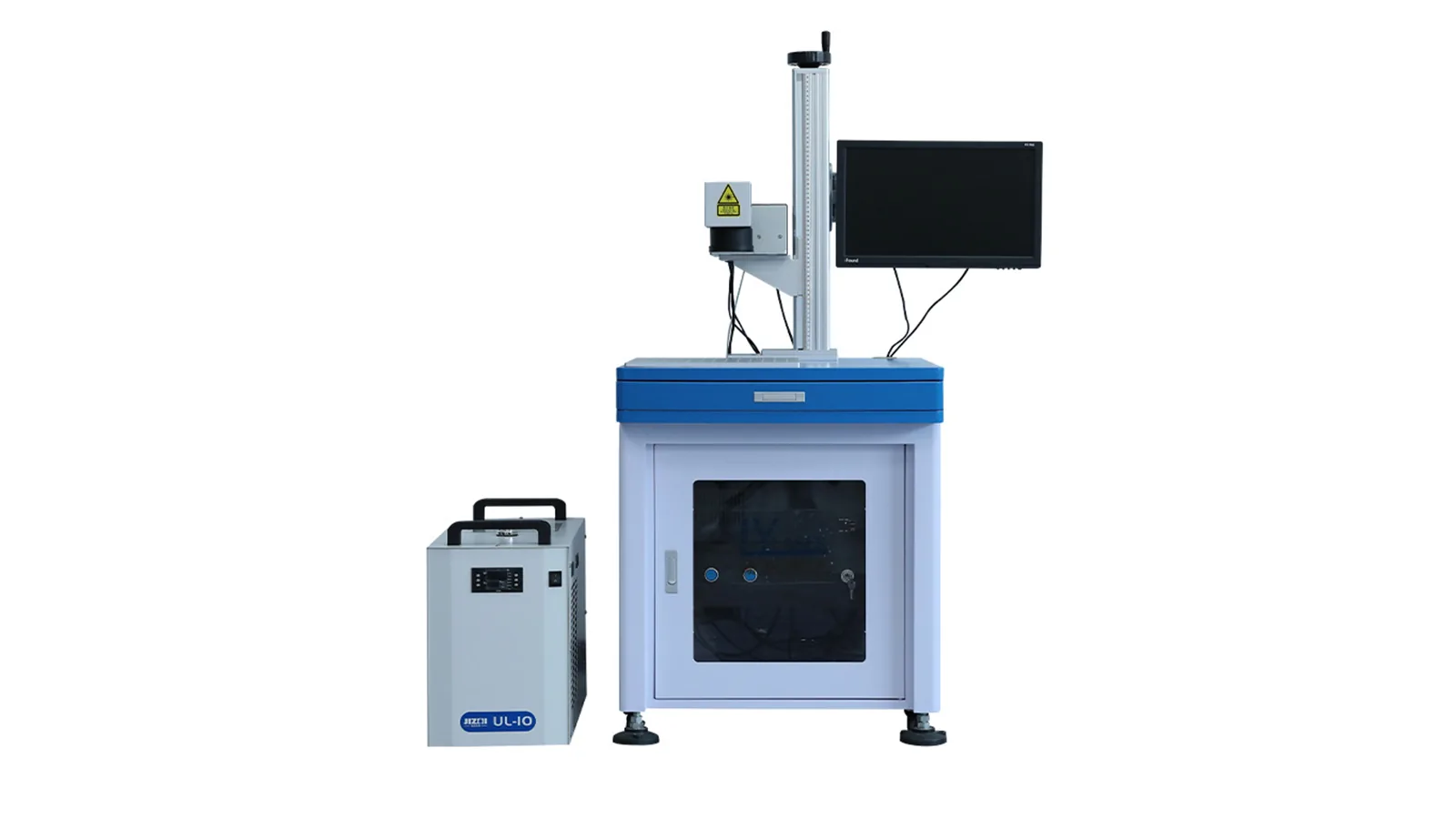
UV Laser Marking Machines
A strong route for selected plastics, electronics, glass and other heat-sensitive surfaces where fine marking or lower thermal loading is more important than deep material removal.
Browse UV Laser Marking Machines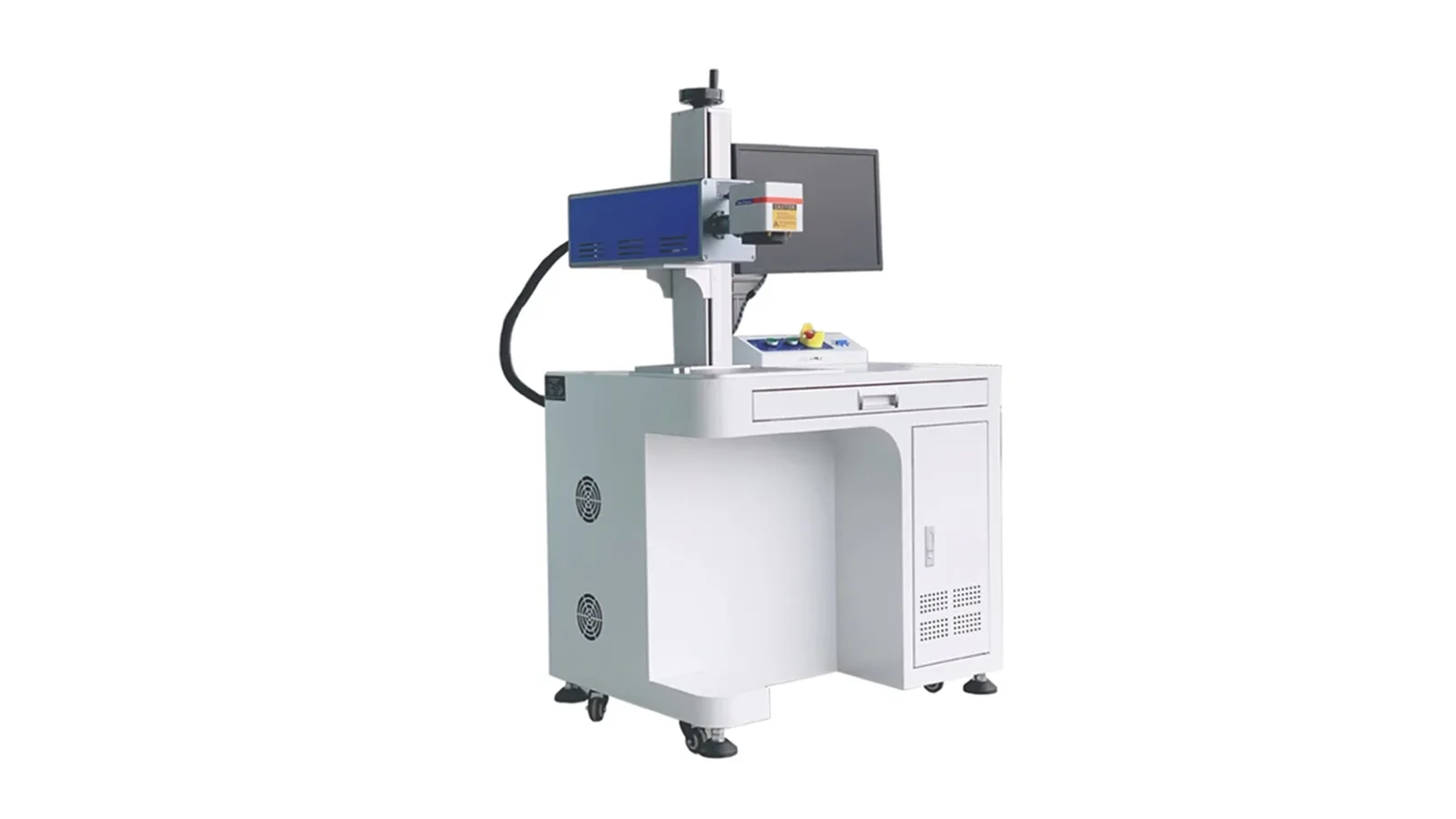
Laser source family
CO2 Laser Marking Machines
A common route for organic materials, packaging, coatings and selected non-metals where the material absorbs the CO2 wavelength effectively.
Browse CO2 Laser Marking MachinesBrowse by machine structure
Choose by Machine Structure and Production Configuration
The same laser-source family can be installed in different machine structures. Choose the structure according to part size, operator access, positioning, guarding, mobility, vision and line-integration requirements.
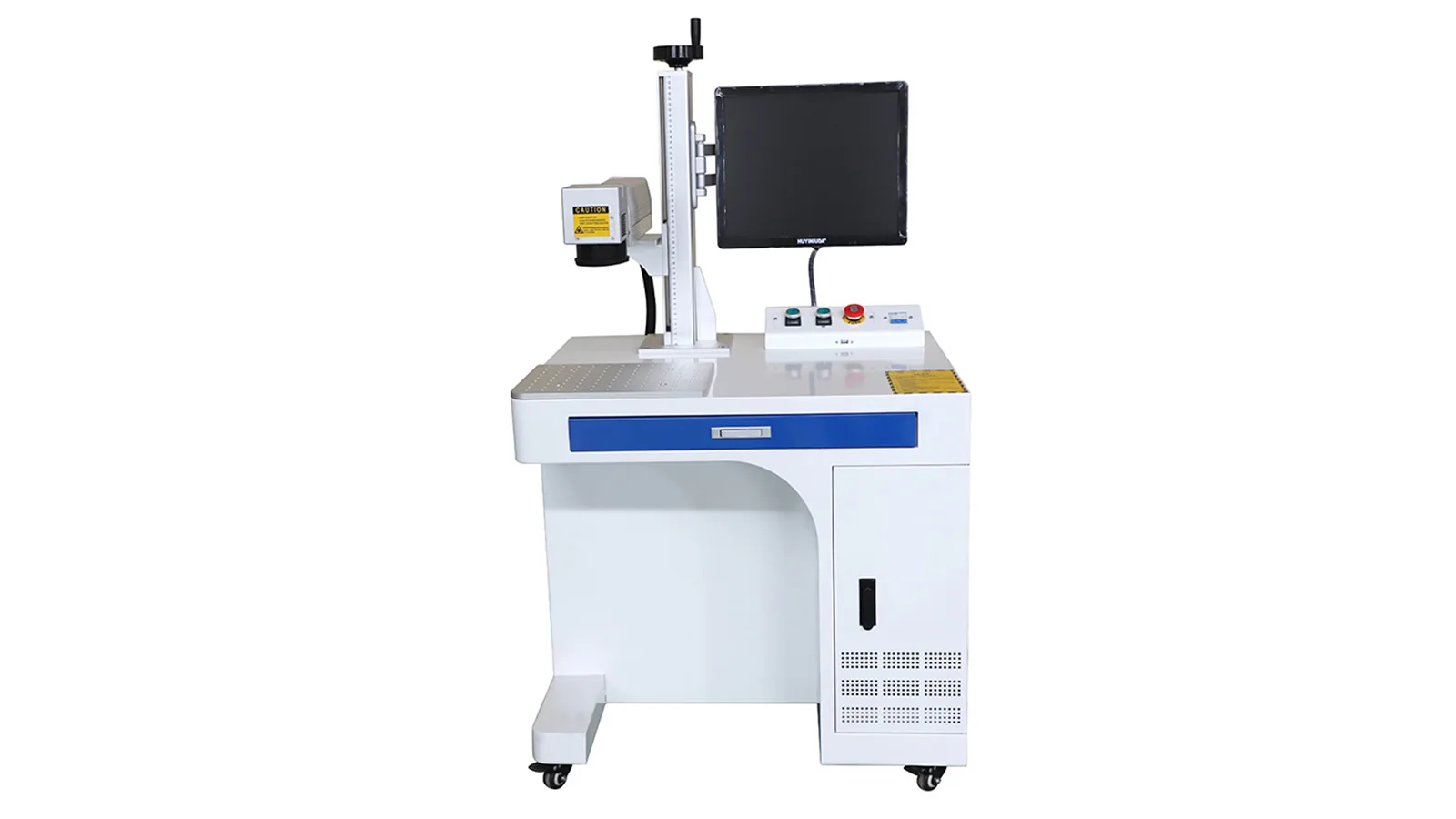
Machine structure
Desktop Laser Marking Machines
Bench-height workstation format for repeatable manual loading and general-purpose production.
Typical source routes: Fiber, UV or CO2 depending on the actual machine configuration.
Browse Desktop Machines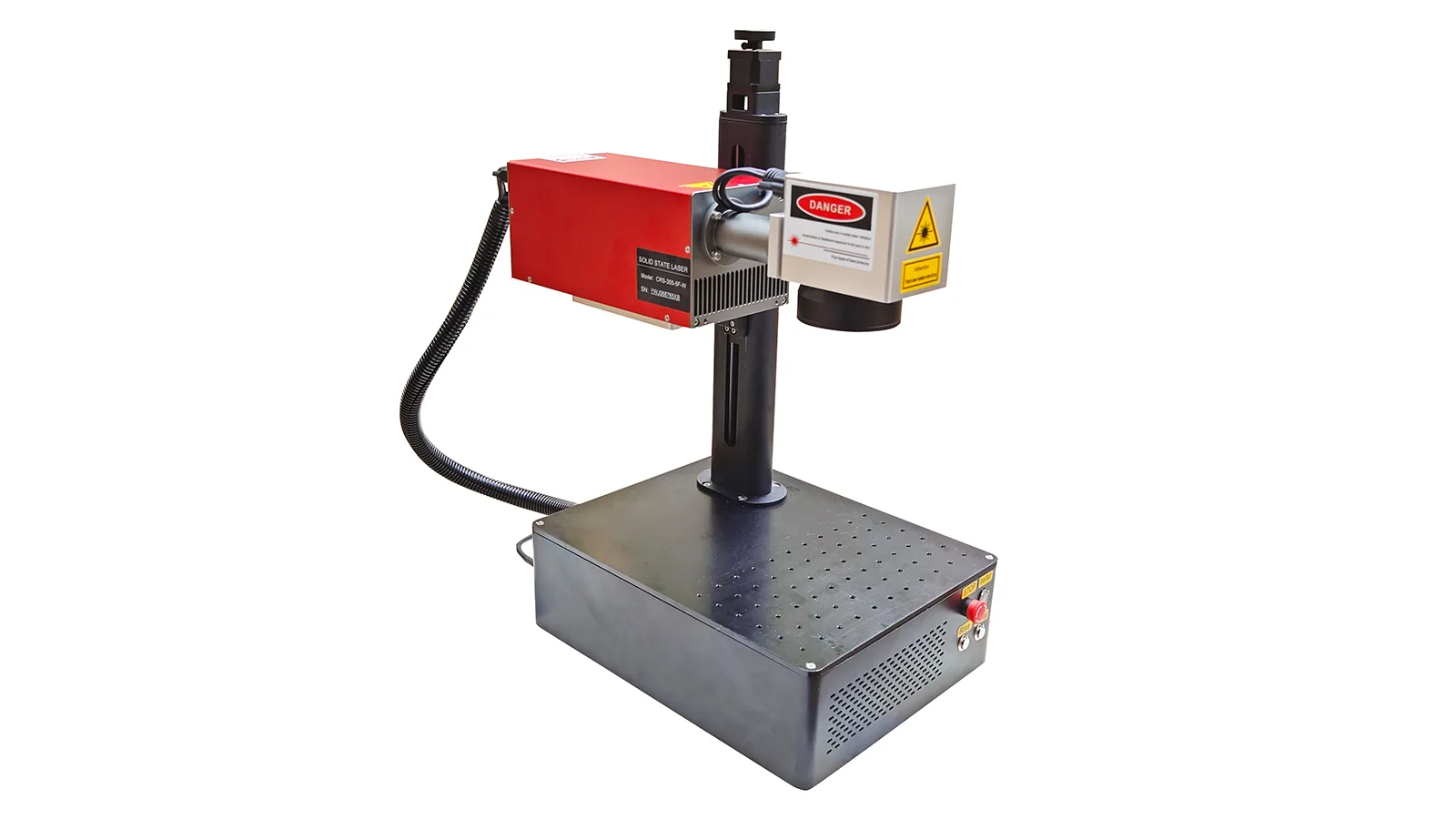
Machine structure
Table Laser Marking Machines
Integrated table-style workstation with a larger work surface and convenient access for manual loading.
Selection focus: workpiece size, working height, fixture space and operator workflow.
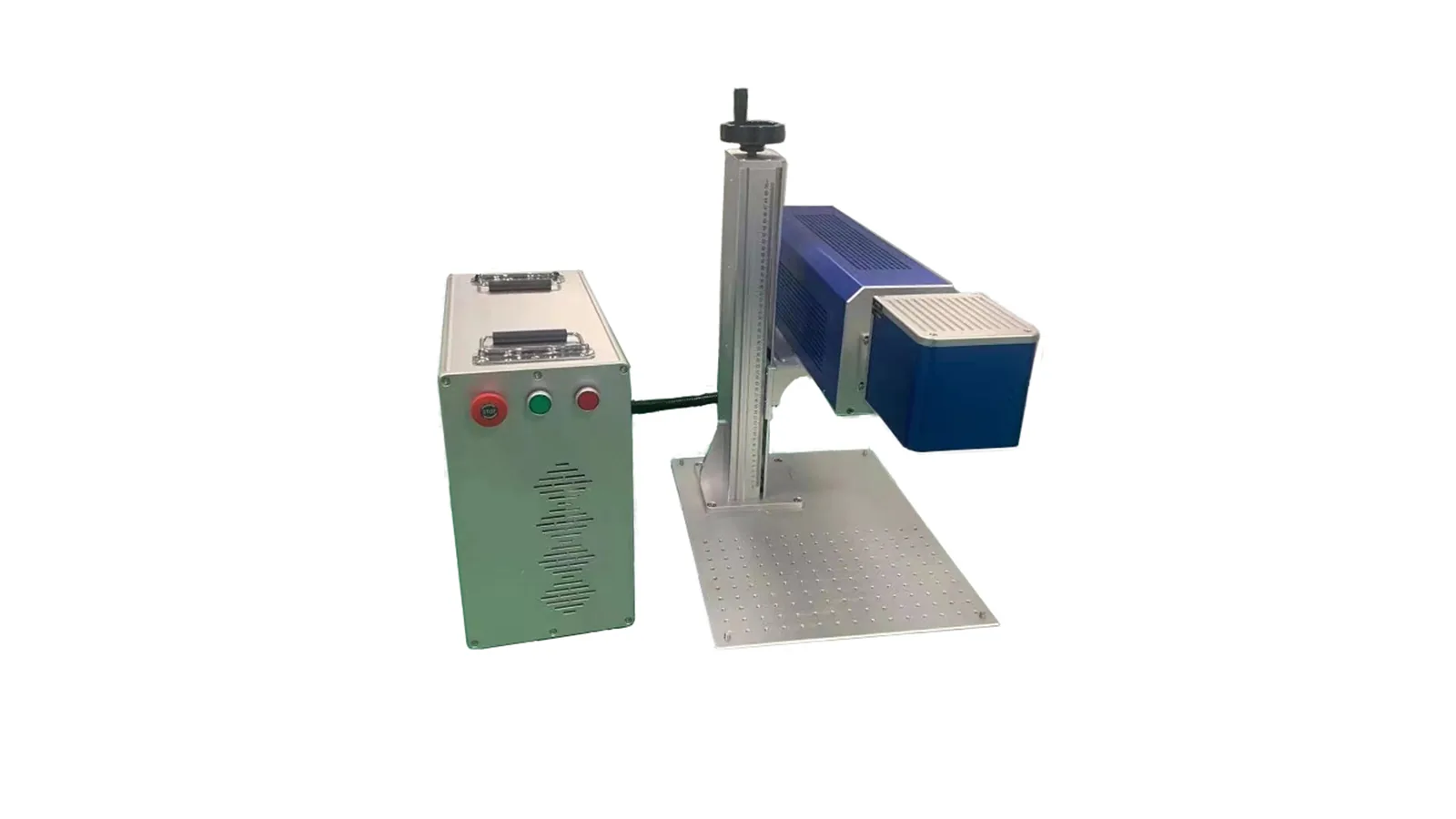
Machine structure
Split Laser Marking Machines
Separated marking head and control/source arrangement for flexible placement around fixtures, larger parts or production equipment.
Selection focus: source type, cable routing, working distance and installation space.
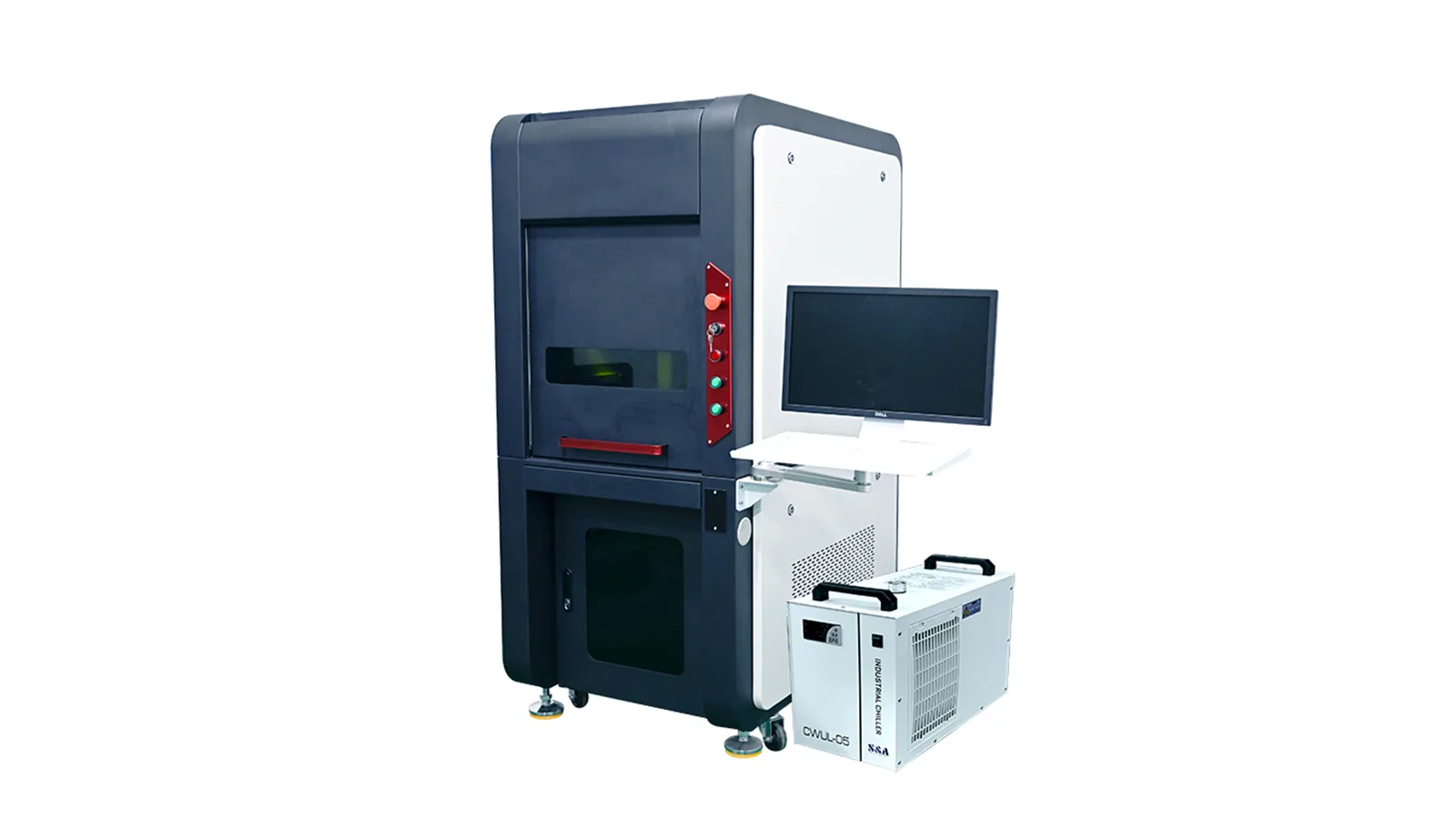
Machine structure
Enclosed Laser Marking Machines
Guarded workstation format for controlled access, repeatable loading and a more contained marking environment.
Selection focus: workpiece access, door/interlock design, extraction and complete-system safety review.
Browse Enclosed Machines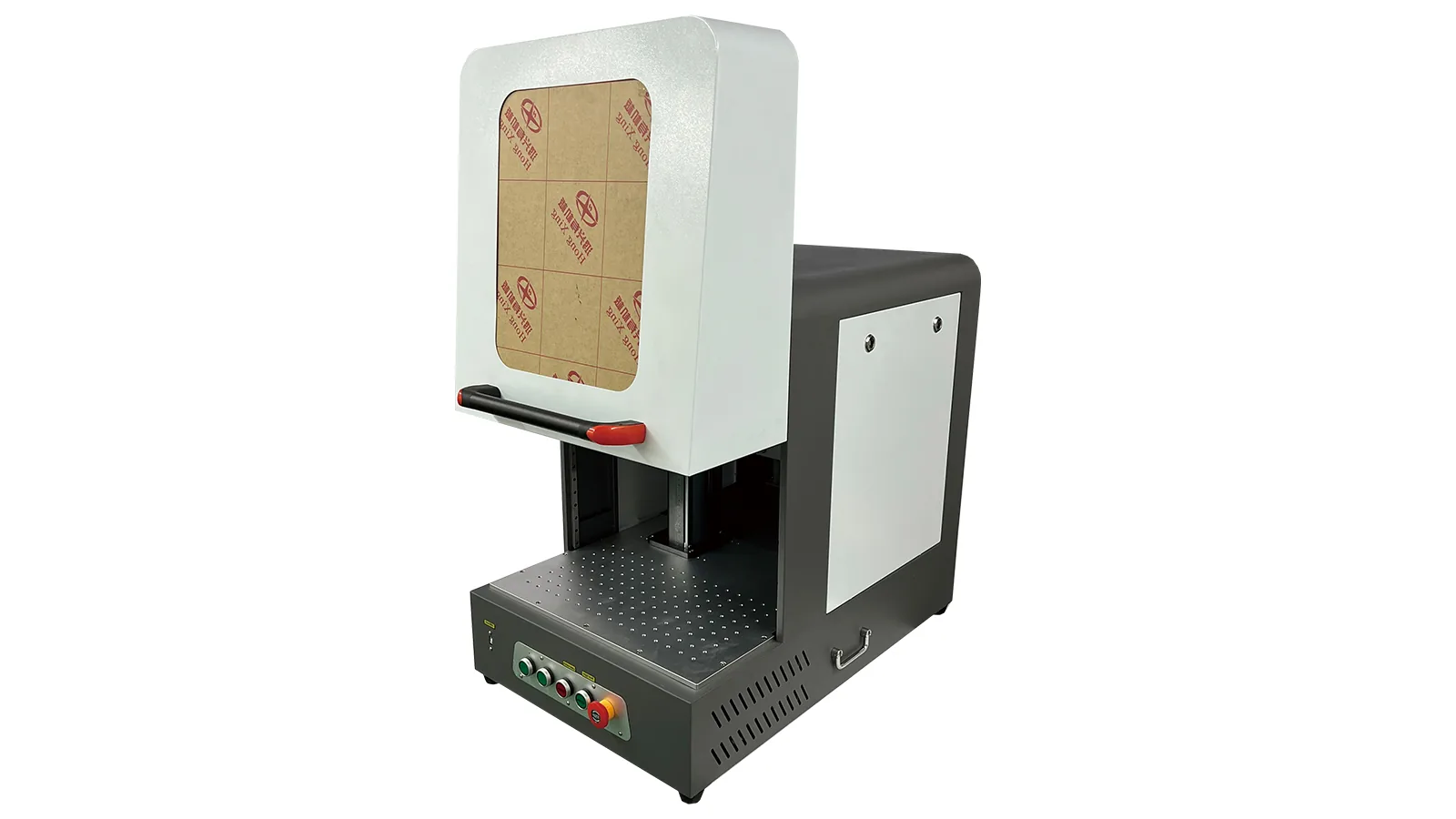
Machine structure
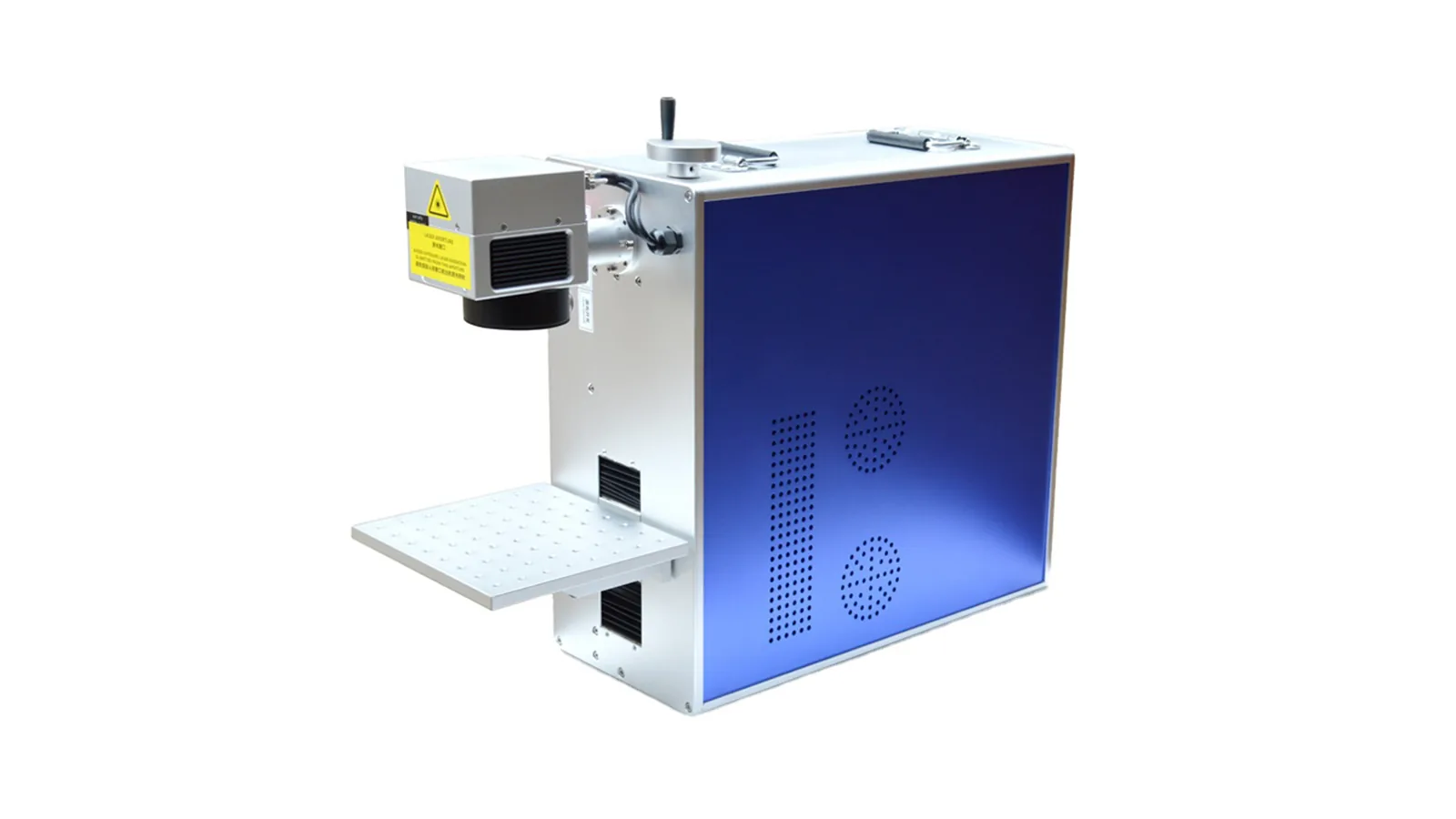
Semi-enclosed Laser Marking Machines
Partially guarded workstation for applications that need easier access to larger or less regular workpieces.
Selection focus: loading access, reflected-beam risk, extraction and required guarding boundary.
Machine structure
Portable Laser Marking Machines
Compact movable format for changing work areas, service tasks or workpieces that are inconvenient to bring to a fixed station.
Selection focus: stable positioning, focus control, guarding and extraction at the actual site.
Browse Portable Machines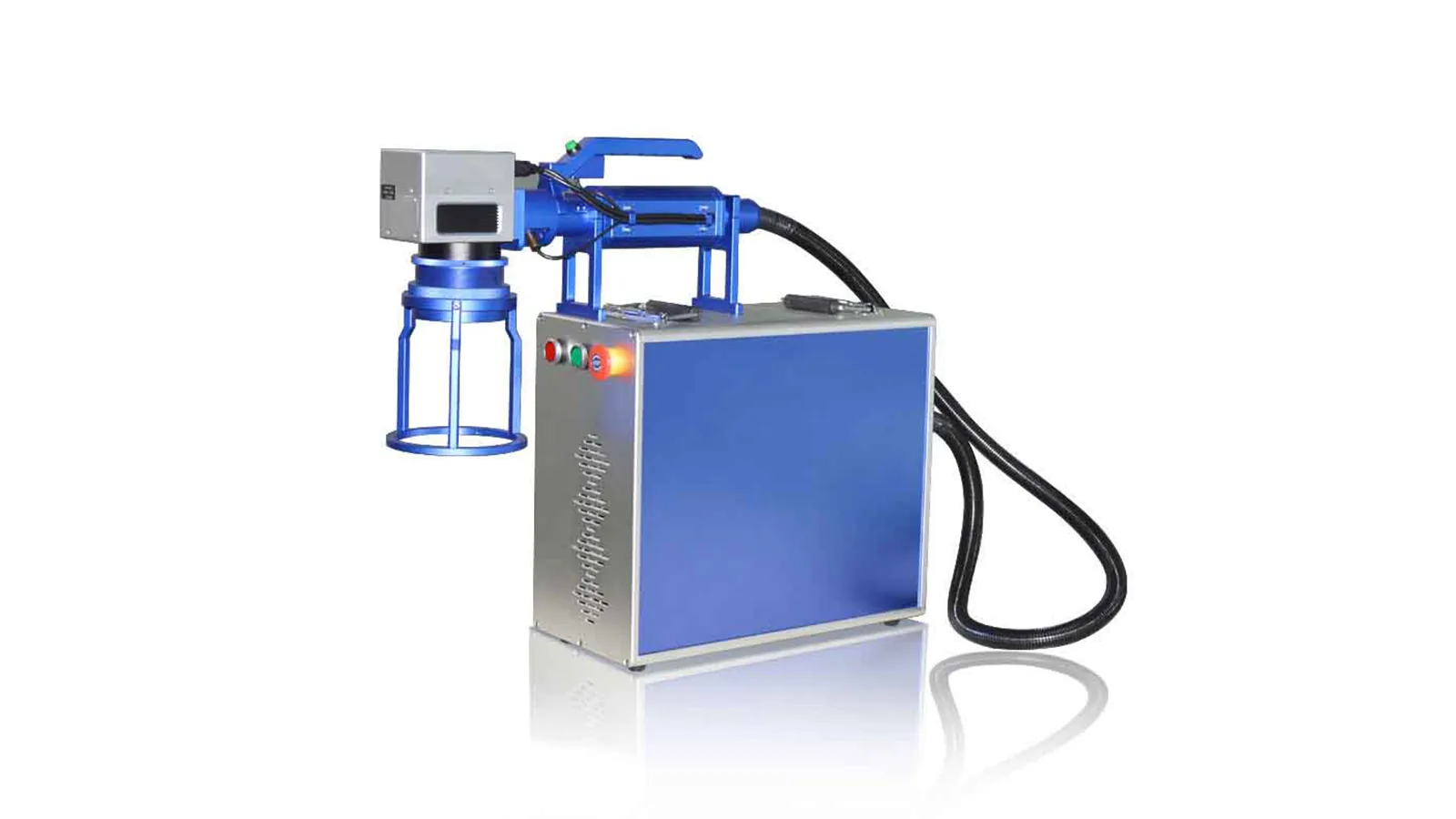
Machine structure
Handheld Laser Marking Machines
Handheld marking format for large, fixed or difficult-to-position workpieces where the marking head must move to the part.
Selection focus: repeatability, focal distance, operator control and site safety boundary.
Machine structure
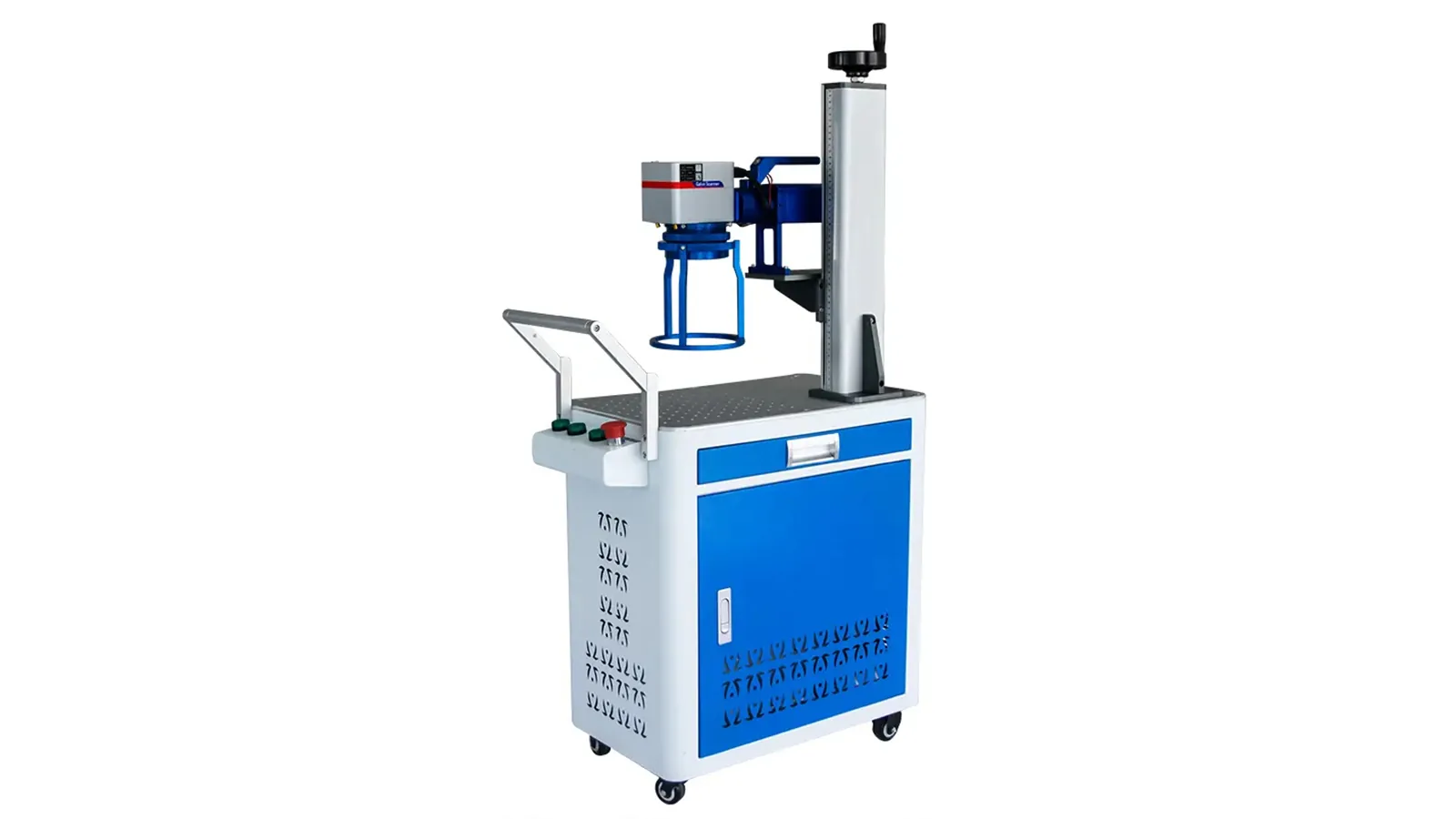
Trolley Laser Marking Machines
Wheeled machine format that can move between workstations while keeping the marking head, source and controls together.
Selection focus: wheel stability, working height, cable management and operating area.
Production configuration
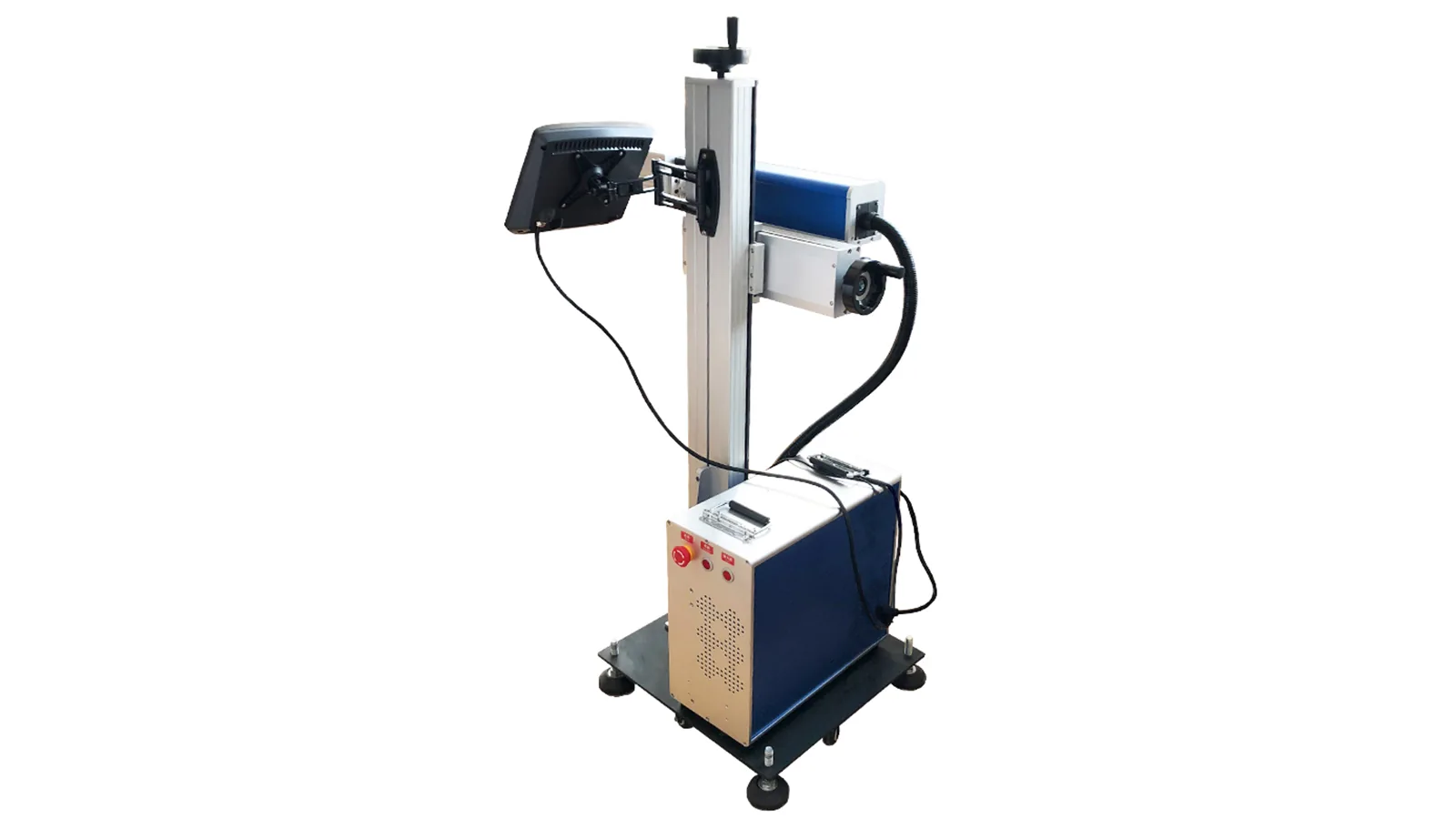
Flying Laser Marking Machines
Online marking format for moving products where sensors, encoders, triggers and production-line speed become part of the marking cycle.
Selection focus: line speed, trigger logic, data length, marking window and reject/inspection requirements.
Browse Flying Machines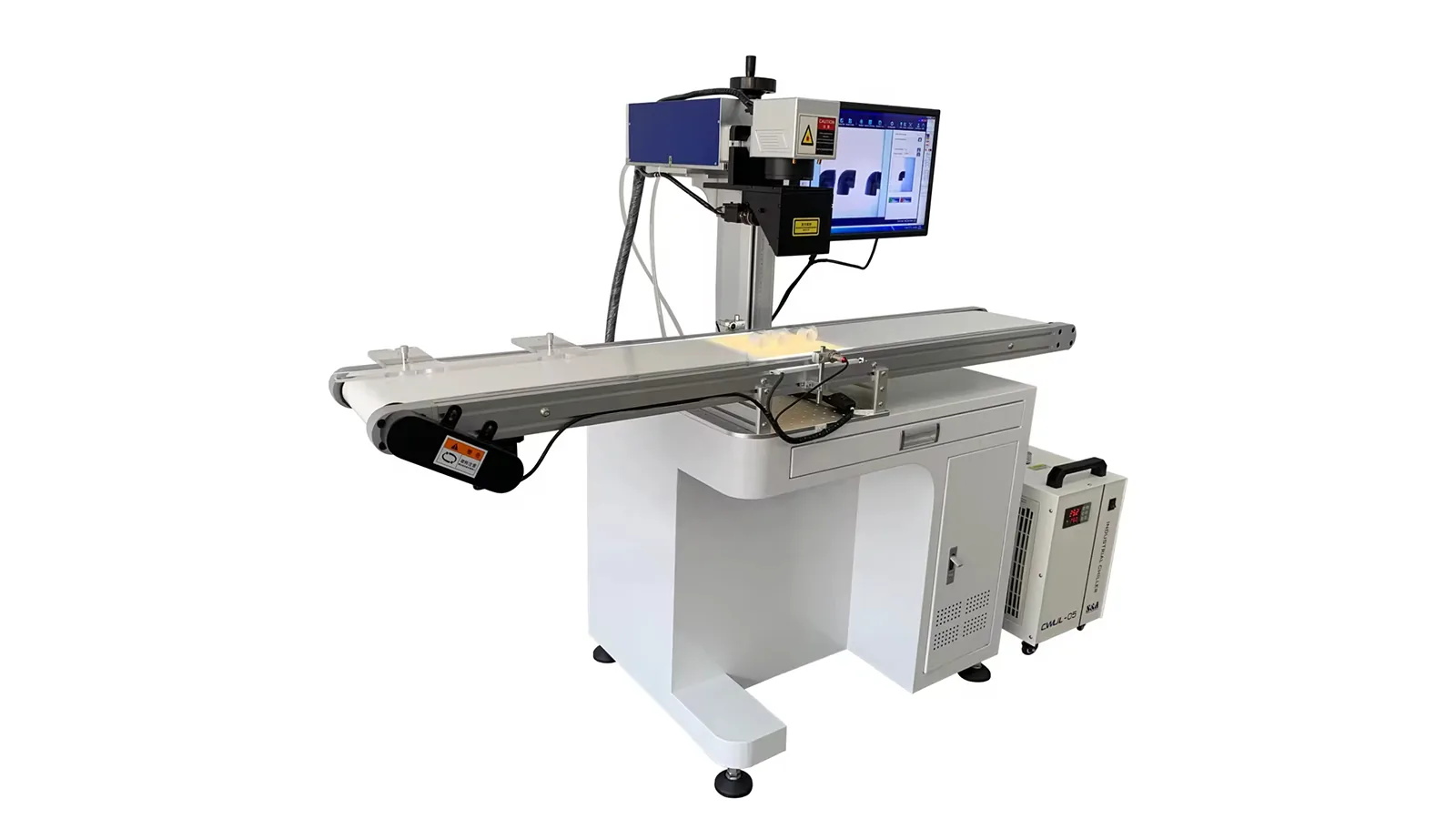
Production configuration
CCD Vision Laser Marking Machines
Camera-assisted structure for workpieces whose position or orientation varies before marking.
Selection focus: field of view, lighting, recognition, datum tolerance and height variation.
Browse Vision CCD Machines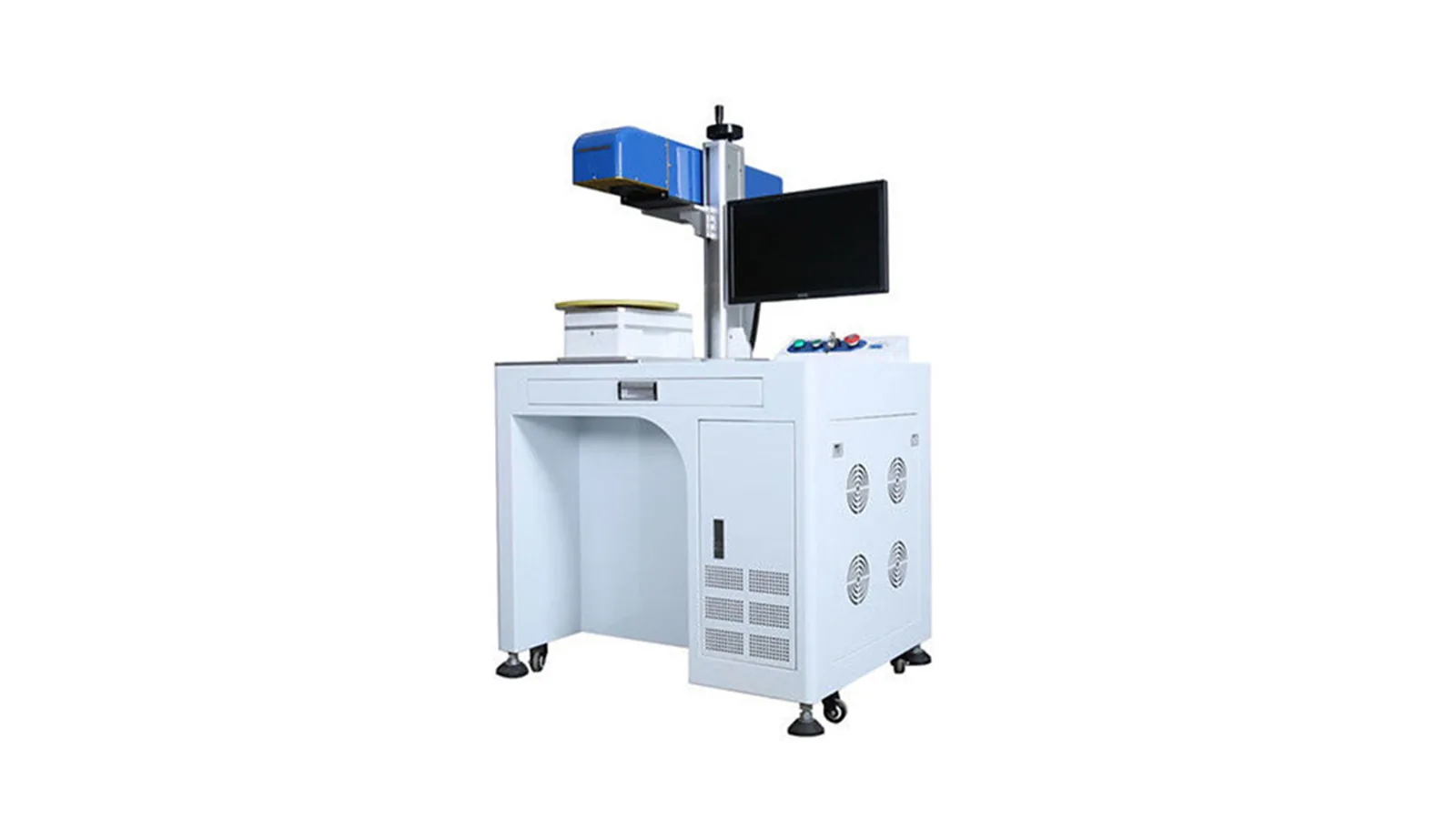
Production configuration
3D Laser Marking Machines
Dynamic-focus marking structure for curved, stepped or changing-height surfaces where a conventional flat-field setup is insufficient.
Selection focus: surface-height range, geometry, field size, focal compensation and required mark result.
Technology comparison
Fiber vs UV vs CO2: Where Should You Start?
Use this as a first-pass buying guide. Material name alone is not enough: grade or formulation, coating, colour, geometry, target mark, work area and cycle requirement can all change the final machine route.
| Technology | Common starting fit | Why evaluate it | What to verify on the real part |
|---|---|---|---|
| Fiber | Metals, coated metals and selected engineering plastics | Broad metal-marking range; Q-switched and MOPA variants provide different pulse-control options | Alloy/finish, source subtype, contrast/depth target, field, code quality and cycle |
| UV | Selected plastics, electronics, glass and heat-sensitive surfaces | Fine marking with lower thermal loading on suitable materials | Material formulation, focus, haze, residue, cracking and contrast |
| CO2 | Wood, paper, leather, selected plastics, coatings and packaging | Good absorption on many organic and non-metal surfaces | Material absorption, char, fumes, extraction, line speed and mark durability |
How laser marking machine selection works
Three Decisions Shape the Right Laser Marking Configuration
A laser marking machine is not selected by wattage alone. Laser source determines how the beam interacts with the material, machine structure determines how the operator and workpiece interact with the equipment, and functional configuration determines how the system handles moving products, variable part position or changing surface height.
Decision 01
Laser Source = Material Interaction
Wavelength, pulse behavior and available process window influence absorption, heat input, contrast, depth, surface change and the risk of damage to the workpiece.
- Fiber: strong starting route for metals and many coated surfaces.
- MOPA Fiber: Fiber subtype used when pulse-width control may improve the processing window.
- UV: useful when fine marking and lower thermal loading are important.
- CO2: common for organic materials, packaging and selected non-metals.
Decision 02
Machine Structure = Workpiece Access and Operator Workflow
Physical machine structure determines working height, loading access, mobility, guarding, fixture space and how comfortably the operator can present the part to the marking area.
- Desktop / table / split: arrange the marking platform around the workpiece and workstation.
- Enclosed / semi-enclosed: change access and guarding boundaries.
- Portable / handheld / trolley: bring the equipment toward large, fixed or distributed workpieces.
Decision 03
Functional Configuration = How the Process Handles the Part
Additional functions solve production conditions that a basic stationary workstation does not address, such as moving products, variable part location or surfaces with changing height.
- Flying: synchronizes marking with a moving product or production line.
- CCD vision: helps locate parts whose position or orientation varies.
- 3D dynamic focus: compensates for curved, stepped or changing-height surfaces.
- Rotary / automation: add motion, workholding or system-level handling when required.
Grade, formulation, coating and colour.
Contrast, code, depth, appearance or traceability.
Fiber, MOPA Fiber, UV or CO2 route.
Desktop, enclosed, portable, flying, vision and more.
Fixture, rotary, vision, conveyor or automation if needed.
Confirm the mark and production behavior with real samples.
Selection checks
Start with the Product Family, Then Confirm the Specification
Define the real part, target mark and production conditions before comparing power or headline features. Material, coating, geometry, focus and acceptance criteria can all change the correct configuration.
- Marking target: text, logo, code, traceability, contrast, depth or cosmetic surface effect.
- Part and material: alloy or polymer formulation, coating, colour, dimensions, geometry and access.
- Production behavior: manual or automatic loading, line speed, cycle target, data, vision and inspection.
- Machine configuration: source, field, optics, fixture, axis, enclosure, extraction, cooling and controls.
- Validation: representative samples, acceptance criteria and any durability or readability check.
Configuration workflow
How We Confirm the Final Machine Configuration
The goal is not to select a machine from wattage alone. A useful recommendation connects material, target result, part handling, production rate and acceptance criteria to a workable machine configuration.
Review the part
Share material, surface condition, dimensions, mark location, artwork and representative samples or drawings.
Choose source and structure
Compare Fiber, UV or CO2 together with work area, enclosure, mobility, vision, rotary or online requirements.
Test when required
Use representative samples to confirm contrast, depth, readability, appearance and surface response before final release.
Confirm configuration
Finalize the machine, options, accessories, safety scope, destination requirements and quotation for the actual project.
Assembly and machine verification
Machine Assembly, Commissioning and Sample Validation
Zhuorui focuses on complete-machine assembly, configuration, commissioning and testing. These real workshop images show two practical stages used to prepare a laser marking machine before delivery.


Safety and extraction
Review the Complete Laser Marking System, Not Only the Laser Source
Industrial laser equipment requires a documented safety review before operation. Final enclosure, access-door interlocks, emergency stop, reflective-workpiece controls, extraction and operator workflow depend on the actual machine structure, source and application. Coatings, plastics, oils, inks and adhesives may also require local extraction and filtration.
FAQ
Common Buying Questions
Can I choose a laser marking machine from power alone?
No. Power is only one variable. Wavelength, pulse behavior, field size, material response, desired result, geometry, cycle time and safety boundary can all change the correct route.
When should I consider MOPA instead of standard Fiber?
Evaluate MOPA when a wider pulse-width adjustment range or tighter heat-input control may help the required surface result. The real material still needs testing because MOPA does not guarantee a particular colour or contrast.
Is UV always the best choice for plastic?
No. Polymer formulation, additives, colour and surface condition strongly affect the result. UV can be a strong route for heat-sensitive or fine-marking applications, while Fiber or CO2 may be better for other plastics.
How should I choose the machine structure?
Start from part size, loading method, operator access, positioning repeatability, guarding, mobility, vision, surface height and whether the product is stationary or moving on a line.
Can a standard laser marking machine be customized?
Yes. Zhuorui can evaluate changes such as rotary fixtures, vision, enclosure, axes, flying marking and other project-specific requirements. More complex automation is reviewed as a project rather than treated as a standard feature.
What should I send for a machine recommendation?
Send part photos or drawings, material and surface condition, mark artwork and size, desired result, target cycle time, loading method, destination, and any vision, rotary, data, safety or extraction requirements.
Next step
Tell Us What You Need to Mark
Share the part, material, mark content, target result and production requirement. We can narrow the laser source, machine structure and required accessories, then confirm the configuration through sample validation when needed.