
Batch & Wholesale Laser Marking Machine Supply
Batch Production & Repeat Supplyfor Laser Marking Machines
Plan initial distributor orders, single-model batches, mixed-model purchases and repeat replenishment with a defined configuration baseline, controlled changes, coordinated QC, ordered spare parts and delivery preparation. OEM/private-label requirements can be added when needed, but branding is not required for a normal distributor or wholesale order. Capacity and schedule are confirmed against the actual order.
Distributor / Reseller Buying Route
From Product Range to Repeat Supply
A distributor order is more than a one-time quantity purchase. The useful path is to select the product range, establish a repeatable configuration baseline, add branding only when required, release the machines through QC and then use that baseline for future replenishment and support.
Select the Product Range
Choose the machine families and applications you intend to stock, demonstrate or resell. Product pages remain the source for machine-specific specifications and selectable options.
Define the Initial Order
Set the quantity by model and decide whether the first purchase is a repeated single-model batch, a mixed-model assortment or a replenishment order based on an earlier purchase.
Freeze the Configuration Baseline
Confirm the machine structure, laser technology and power class, controller, marking field, voltage, software, accessories and other agreed items that future repeat orders should reference.
Add OEM If Required
Branding is optional. Add logo, model identity, supported appearance, labels, documents or other private-label requirements only when the machines will be supplied under your own brand.
Build, QC & Deliver
Each machine stays tied to its approved order line, passes the applicable assembly and QC route, and is reconciled with accessories, spares and documents before shipment.
Replenish & Support
Future orders start from the approved baseline, while current component availability, requested changes, spare-parts needs and after-sales requirements are checked again.
A distributor batch does not automatically become an OEM order. Confirm the base machine and supply configuration first, then add private-label requirements only when needed.
Review OEM & Private Label →Batch Supply Scope
What Batch Production & Repeat Supply Covers
A batch order is managed as a controlled set of machine configurations and delivery items. The objective is not simply to build more units, but to keep the approved order visible from planning through packing.
Multiple units follow the confirmed machine reference and ordered option set.
Each model, quantity and configuration remains a separate line item inside one commercial order.
Build release considers component readiness, model mix, options, tests and packaging dependencies.
Machine structure, laser source type and power class, controller, field, voltage, software and accessories are checked against the approved reference.
Ordered consumables, service items and accessories are tied to the packing list rather than assumed.
Packing, labels, manuals, shipment documents and responsibility points are confirmed for the destination and trade scope.
Three Practical Purchase Routes
Order Paths for Batch Laser Marking Machines
The right control method depends on whether the buyer is repeating one machine, combining several models or replenishing a distributor stock plan.
Repeat Single-Model Batch
Several machines are built against one approved reference, with any serial, plug, accessory or destination variations stated before release.
- Best for a defined standard configuration
- One reference, multiple tracked units
- Changes reviewed before assembly
Mixed-Model Batch Order
Different laser technologies, machine structures or option packages can share one order while retaining separate line-item controls.
- Quantity and configuration by model
- Shared destination and shipment plan
- Separate acceptance scope where needed
Distributor Replenishment
A current order is compared with the approved earlier configuration, and any component or delivery-scope change is identified before production.
- Previous order used as the reference
- Availability rechecked at order time
- Spares and demonstration units can be listed
Select the machine family first: review Fiber Laser Marking Machines, UV Laser Marking Machines, CO₂ Laser Marking Machines, or all Laser Marking Machines. Individual product pages carry the machine-specific specifications and options.
Repeat Configuration Baseline
How a Repeat Configuration Baseline Works
“Same as the last order” should mean a traceable reference, not a visual assumption. The baseline records what was approved previously; every new order then rechecks the items that may have changed before production is released.
What Stays in the Baseline
The exact record depends on the machine, but a repeat-supply reference normally captures the configuration items needed to identify what the buyer previously approved.
- Machine identityModel, machine structure, work area and approved option set.
- Laser configurationLaser technology, power class and source brand/model when that specific item was explicitly agreed.
- Optics & controlController, galvo / scan-head reference, field lens or marking field where relevant.
- Destination setupVoltage, plug, software language, manual language and agreed cables or utilities.
- Accessories & fixturesRotary, extraction, enclosure, fixture, spare-parts kit and other ordered items.
- Commercial presentationApproved OEM identity, labels, documents or packing requirements when they form part of the order.
What Is Rechecked on Every Reorder
A previous baseline does not guarantee that every component, software revision or destination requirement is unchanged months later.
- Current component availabilityConfirm that the approved components and options remain available and compatible.
- Supplier / model revisionsIdentify discontinued, revised or replacement items before they enter the new batch.
- Software & accessory statusRecheck supported software, accessories, fixtures and spare-parts requirements.
- Buyer-requested changesSeparate intentional revisions from the previous approved configuration.
- Destination requirementsConfirm voltage, plug, language, packing, labels and documentation for the current shipment.
- Acceptance scopeReconfirm the required machine functions, sample work and QC evidence for the new order.
Change control: if an availability or compatibility issue requires a substitution, the affected item should be identified and confirmed before production. A repeat order should not silently drift away from the approved reference.
Batch Coordination
How a Batch Order Is Coordinated and Released
The Batch Supply role is to keep models, quantities, approved configurations, readiness and shipment status aligned across the whole order.
List every machine model, quantity, destination and commercial line item so single-model, mixed-model and replenishment requirements are visible from the start.
Confirm the reference configuration and record any approved unit-level or destination-level variation before the batch is released.
Review major-component, option, accessory, fixture, document and packaging dependencies that could affect the planned batch.
Coordinate repeated and mixed-model builds according to readiness and shared dependencies without losing line-item identity.
Keep each machine line connected to its approved configuration, ordered accessories and release status as work progresses.
Reconcile machines, spares, accessories, manuals, labels and packing records before the shipment or shipment group is handed off.
Each completed machine follows the applicable QC route before batch release.
Factory & Shipment Context
Current Visual Evidence for Batch Supply
These factory photos show multiple completed machines, active machine assembly, organized parts storage and shipment preparation relevant to batch production and repeat supply.
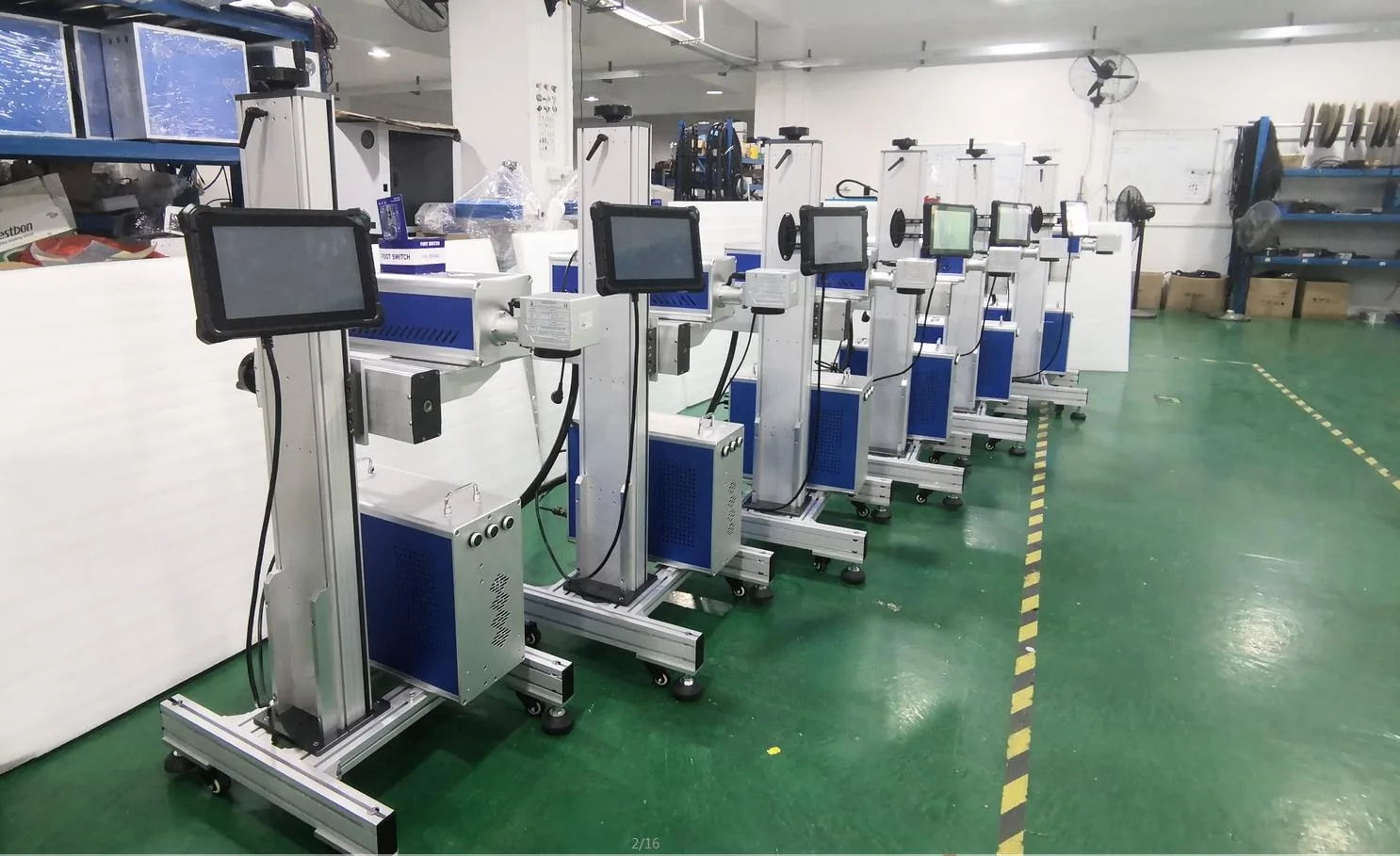
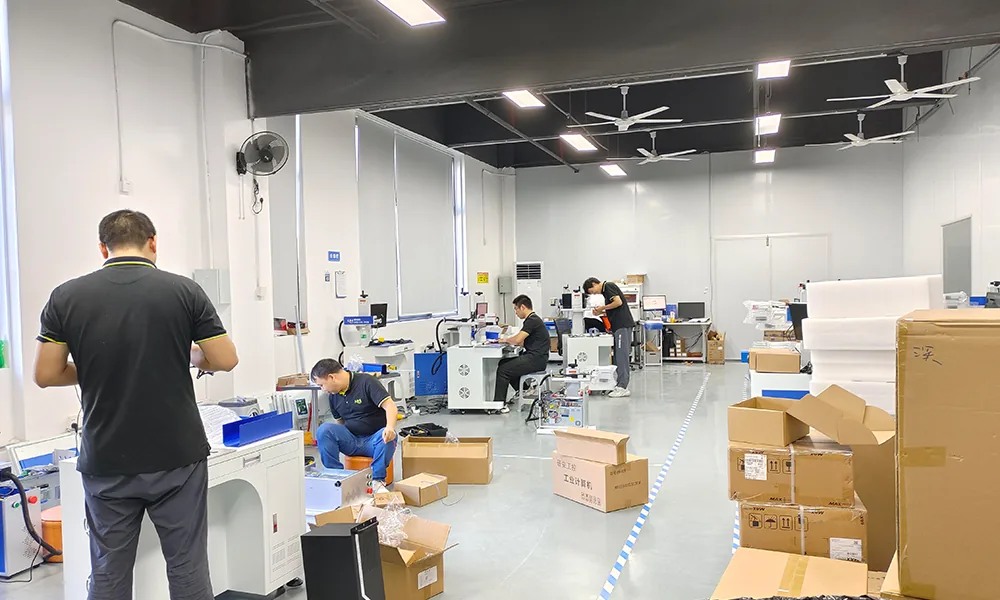
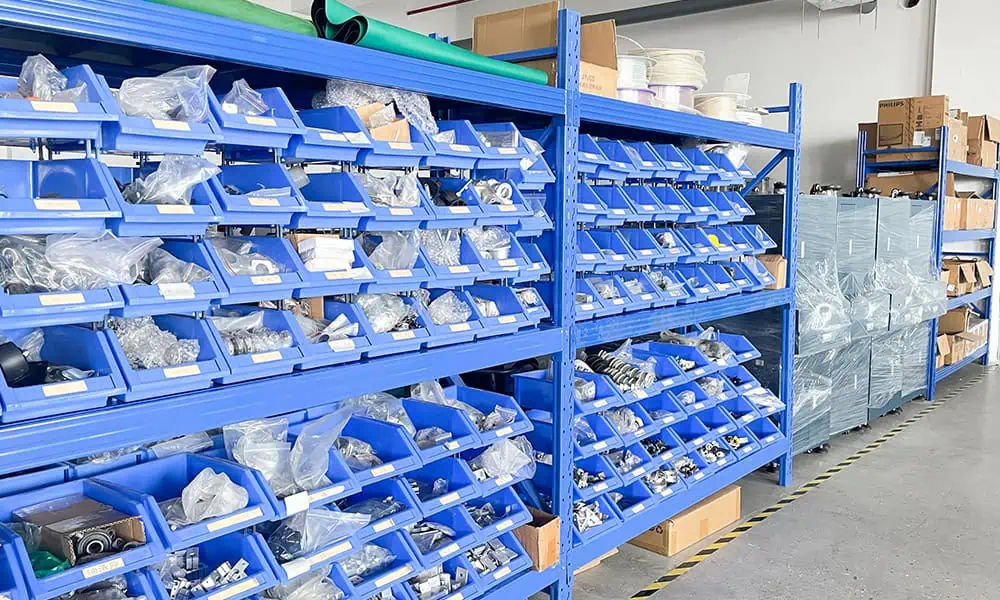
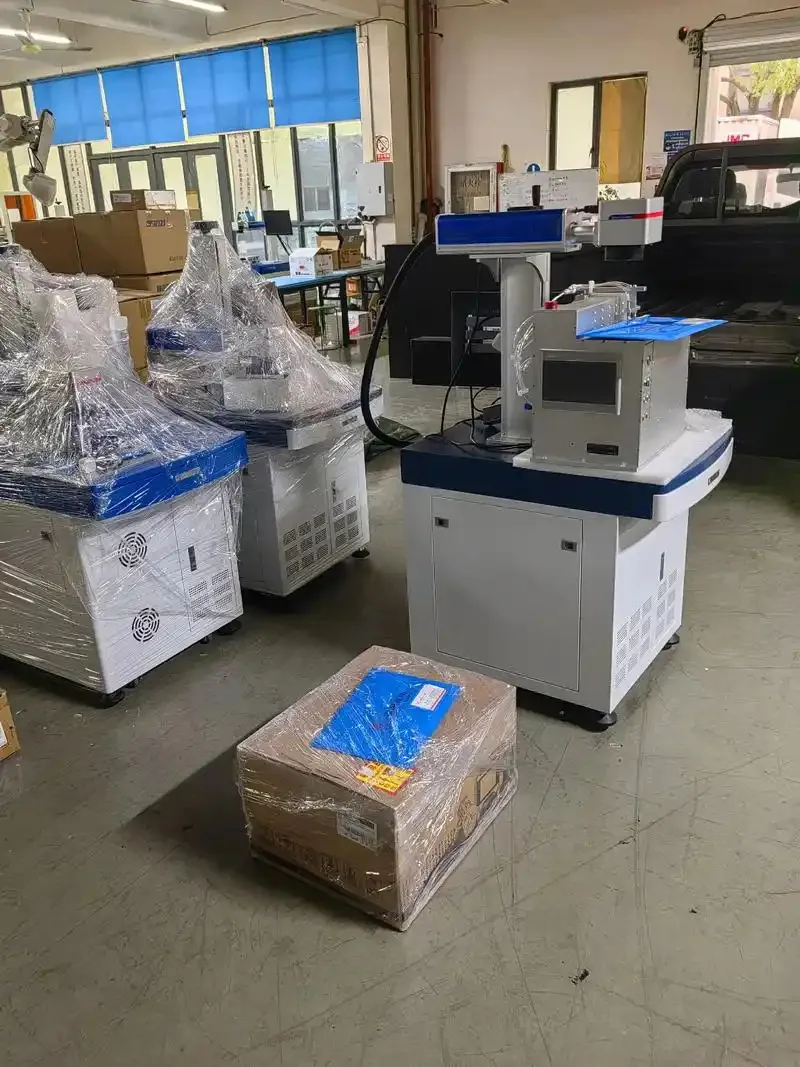
What these photos show: these images document real production and shipment context. They do not establish a universal monthly capacity, fixed lead time or representative batch size. Quantified capacity or representative batch-order data will only be added when supported by verified production or order records.
Delivery Preparation
Spare Parts, Accessories & Shipment Reconciliation
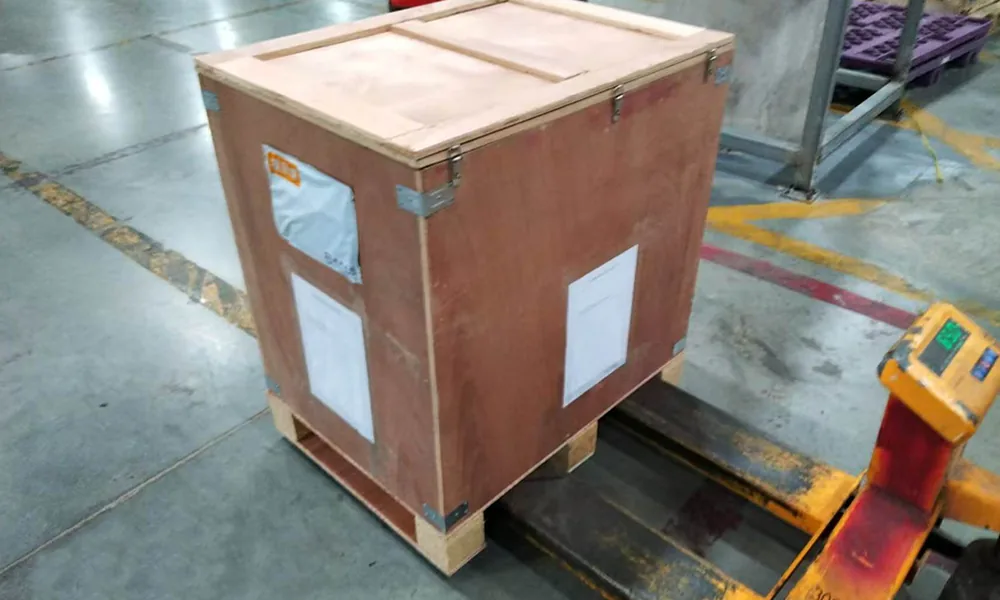
Before dispatch, the shipment is reconciled against the confirmed order so the correct machines, loose accessories, ordered spare parts, documents and labels move together. The exact packaging method depends on machine structure, transport route and the agreed commercial scope.
Model, quantity, serial or label references and loose accessories are matched to the packing list.
Ordered service items and replacement parts are counted, grouped and identified for the receiving machine or shipment.
Agreed manuals, software files, licenses, language, labels and shipment documents are checked in the confirmed form.
Vulnerable elements are protected for transport and the packing / responsibility handoff is confirmed before dispatch.
After Delivery
Replenishment, Spare Parts & Distributor Support
Batch supply does not end when the first shipment leaves the factory. For repeat buyers and distributors, the useful long-term loop is to preserve the installed configuration reference, source compatible replacement items and use the same baseline when the next replenishment order is planned.
Replenish From the Approved Baseline
Use the previous order reference to start the next purchase, then confirm current quantities, component availability, requested changes and destination requirements before releasing the new batch.
Match Parts to the Installed Machine
Replacement or service parts should be matched to the actual installed configuration rather than assumed to be universal across all machines, revisions or source combinations.
Keep a Clear Technical Support Route
Startup guidance, documentation, routine technical questions, warranty handling and replacement-parts coordination continue through the applicable after-sales route after delivery.
Lead Time Is Conditional
What Changes the Production Schedule
Quantity matters, but it is not the only scheduling input. A smaller mixed or modified order can require more coordination than a larger repeat batch.
Timing is confirmed only after the commercial and technical scope is sufficiently stable to check component, assembly, test and packing readiness.
One repeated build and several unrelated machine architectures require different sequencing.
Laser source, controller, optics, frames and optional devices are checked against current availability.
Voltage, language, accessories, enclosures or fixtures may add review and preparation work.
Samples, artwork, labels, manuals or customer confirmation can determine when the build is released.
Machine type, options and agreed acceptance evidence affect test scheduling and batch release.
Crate scope, consolidation, documents and freight readiness affect the shipment handoff.
Batch Order Controls
Batch Order Control Checklist
Once the purchase route is clear, the control focus changes by batch pattern. Use this checklist to confirm the inputs, consistency controls and release records that matter for each order.
| Order type | Buyer inputs | Control focus | Release evidence |
|---|---|---|---|
| Single-model batch | Reference model, quantity, configuration, destination and required options. | Unit-to-reference consistency and approved variation tracking. | Configuration list, unit identification, agreed tests and packing list. |
| Mixed-model batch | Quantity and configuration for every model plus consolidation requirements. | Line-item separation, shared schedule dependencies and accessory assignment. | Model-by-model release status, acceptance evidence and consolidated packing list. |
| Distributor replenishment | Previous order reference, current quantities, stock priorities and requested changes. | Comparison with the approved earlier build and current availability. | Confirmed changes, current configuration and replenishment packing scope. |
Buyer Confirmation
What Buyers Should Confirm for a Batch Order
From quotation through shipment release, the buyer and supplier should keep the commercial order, confirmed configuration, acceptance scope and delivery list aligned.
- 01Lock every line itemConfirm model, quantity, laser source type, power class, field, controller, voltage, plug, language and accessories.
- 02Define change controlAgree how availability-driven substitutions or scope changes will be reviewed and approved.
- 03Confirm batch release statusKeep the release status of each completed machine tied to the correct order line before shipment consolidation.
- 04Reconcile delivery itemsMatch machines, spares, accessories, manuals, software and labels to the packing list.
- 05Confirm shipment responsibilitiesState destination, trade term, packing expectations, required documents and the responsibility handoff.
Next Step
Plan a Batch or Repeat Supply Order
Send the product mix, quantities, target configuration, destination and delivery requirements. For a repeat order, include the previous order reference and any requested changes. Zhuorui Laser will review the order line by line, identify missing inputs and define the quotation, baseline-confirmation and production-release path.
Useful RFQ package: model or application / quantity by line / previous order reference if applicable / requested changes / destination / voltage and plug / marking requirements / accessories and spares / language / target timing / trade terms / packing and documentation needs.