
Batch & Wholesale Laser Marking Machine Supply
Batch Production & Repeat Supplyfor Laser Marking Machines
Plan single-model batches, mixed-model orders, repeat purchases and distributor replenishment with line-item configuration control, coordinated batch release, ordered spare parts and export-ready shipment preparation. Wholesale supply is supported where the order fits this batch and repeat-supply model. Capacity and schedule are confirmed against the actual order.
Batch Supply Scope
What Batch Production & Repeat Supply Covers
A batch order is managed as a controlled set of machine configurations and delivery items. The objective is not simply to build more units, but to keep the approved order visible from planning through packing.
Multiple units follow the confirmed machine reference and ordered option set.
Each model, quantity and configuration remains a separate line item inside one commercial order.
Build release considers component readiness, model mix, options, tests and packaging dependencies.
Machine structure, laser source type and power class, controller, field, voltage, software and accessories are checked against the approved reference.
Ordered consumables, service items and accessories are tied to the packing list rather than assumed.
Packing, labels, manuals, shipment documents and responsibility points are confirmed for the destination and trade scope.
Three Practical Purchase Routes
Order Paths for Batch Laser Marking Machines
The right control method depends on whether the buyer is repeating one machine, combining several models or replenishing a distributor stock plan.
Repeat Single-Model Batch
Several machines are built against one approved reference, with any serial, plug, accessory or destination variations stated before release.
- Best for a defined standard configuration
- One reference, multiple tracked units
- Changes reviewed before assembly
Mixed-Model Batch Order
Different laser technologies, machine structures or option packages can share one order while retaining separate line-item controls.
- Quantity and configuration by model
- Shared destination and shipment plan
- Separate acceptance scope where needed
Distributor Replenishment
A current order is compared with the approved earlier configuration, and any component or delivery-scope change is identified before production.
- Previous order used as the reference
- Availability rechecked at order time
- Spares and demonstration units can be listed
Select the machine family first: review Fiber Laser Marking Machines, UV Laser Marking Machines, CO₂ Laser Marking Machines, or all Laser Marking Machines. Individual product pages carry the machine-specific specifications and options.
Batch Consistency
How We Keep Batch & Repeat Orders Consistent
For a 10-unit batch, consistency means the tenth machine follows the same approved configuration logic as the first. Each model, approved variation and destination requirement stays tied to a defined order reference rather than to appearance alone.
Each machine line starts from a confirmed model, component set, marking field, voltage, software and option list before batch release.
Model, quantity and approved variations remain traceable as separate order line items, which is especially important in mixed-model orders.
Laser technology and power class, controller, galvo, field lens and other ordered components are checked against the confirmed build reference.
Voltage, plug, labels, manual language, software language, cables, accessories and spares are assigned to the correct machine or shipment group.
If availability or compatibility requires a substitution or scope change, it is reviewed and confirmed before production instead of being changed silently inside the batch.
A previous approved order can serve as the baseline, but current component availability, software, accessories and destination requirements are checked again before the new batch is released.
Batch Coordination
How a Batch Order Is Coordinated and Released
The Batch Supply role is to keep models, quantities, approved configurations, readiness and shipment status aligned across the whole order.
List every machine model, quantity, destination and commercial line item so single-model, mixed-model and replenishment requirements are visible from the start.
Confirm the reference configuration and record any approved unit-level or destination-level variation before the batch is released.
Review major-component, option, accessory, fixture, document and packaging dependencies that could affect the planned batch.
Coordinate repeated and mixed-model builds according to readiness and shared dependencies without losing line-item identity.
Keep each machine line connected to its approved configuration, ordered accessories and release status as work progresses.
Reconcile machines, spares, accessories, manuals, labels and packing records before the shipment or shipment group is handed off.
Each completed machine follows the applicable QC route before batch release.
Factory & Shipment Context
Current Visual Evidence for Batch Supply
These factory photos show multiple completed machines, active machine assembly, organized parts storage and shipment preparation relevant to batch production and repeat supply.
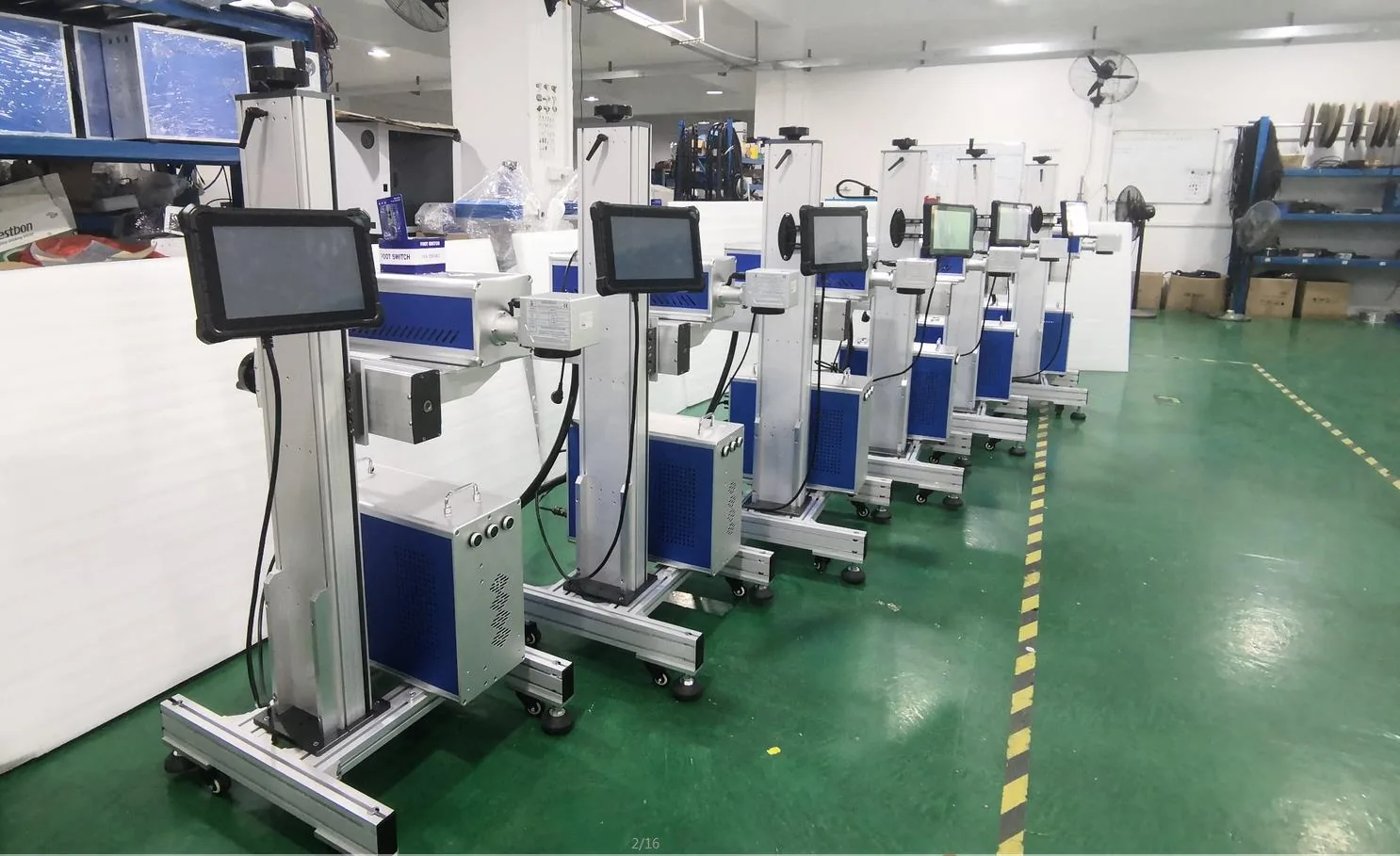

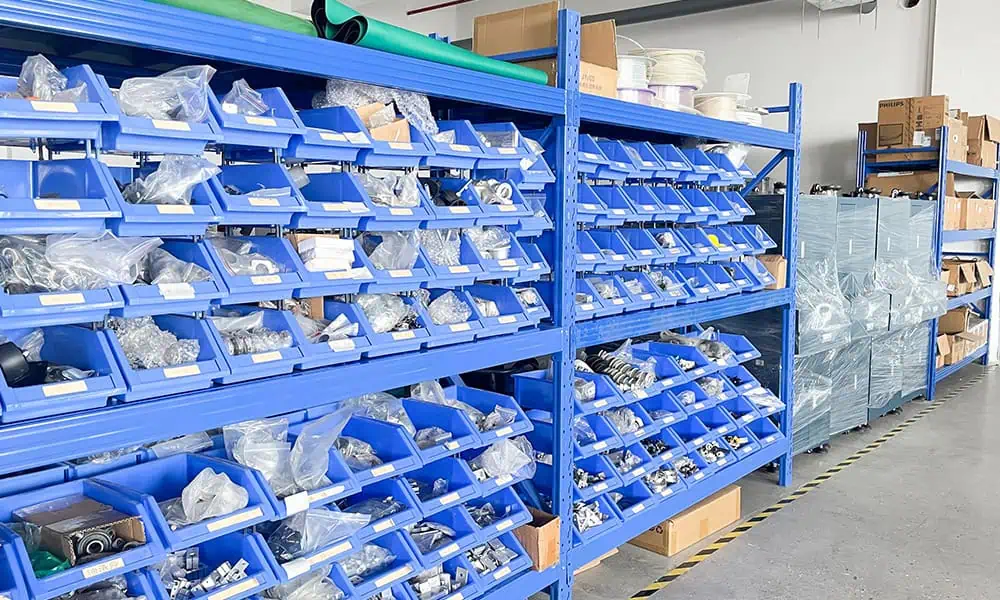
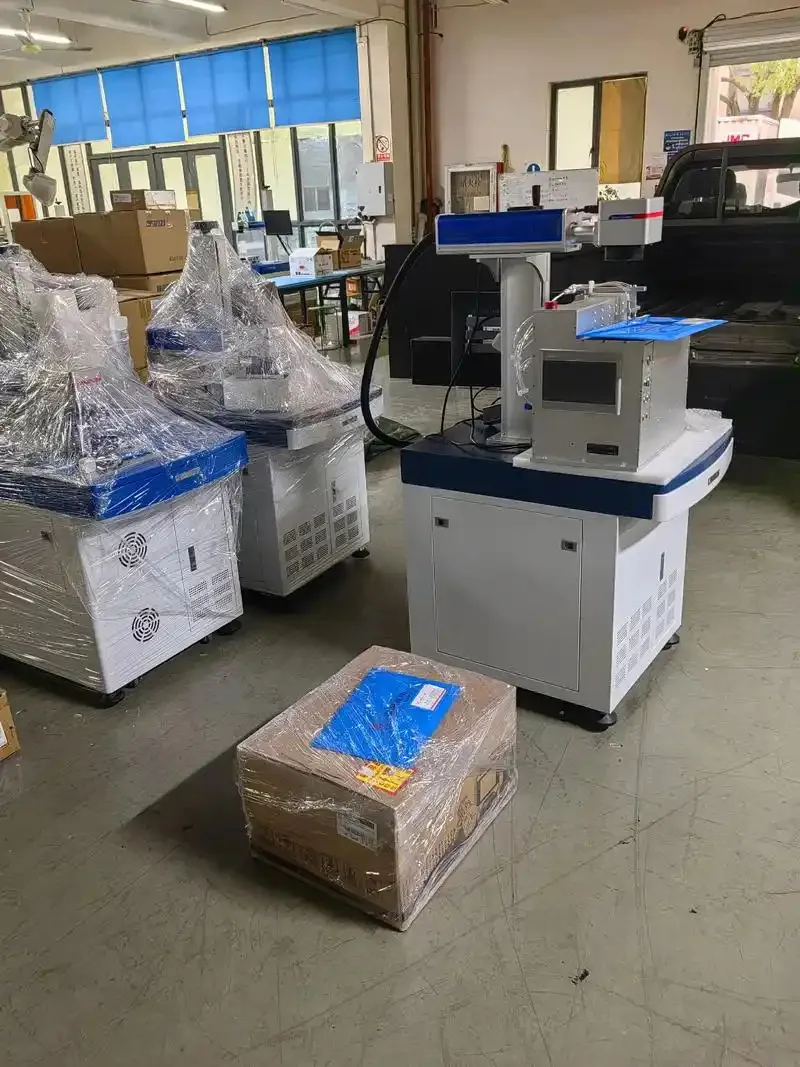
What these photos show: these images document real production and shipment context. They do not establish a universal monthly capacity, fixed lead time or representative batch size. Quantified capacity or representative batch-order data will only be added when supported by verified production or order records.
Delivery Completeness
Spare Parts, Accessories & Export Packaging
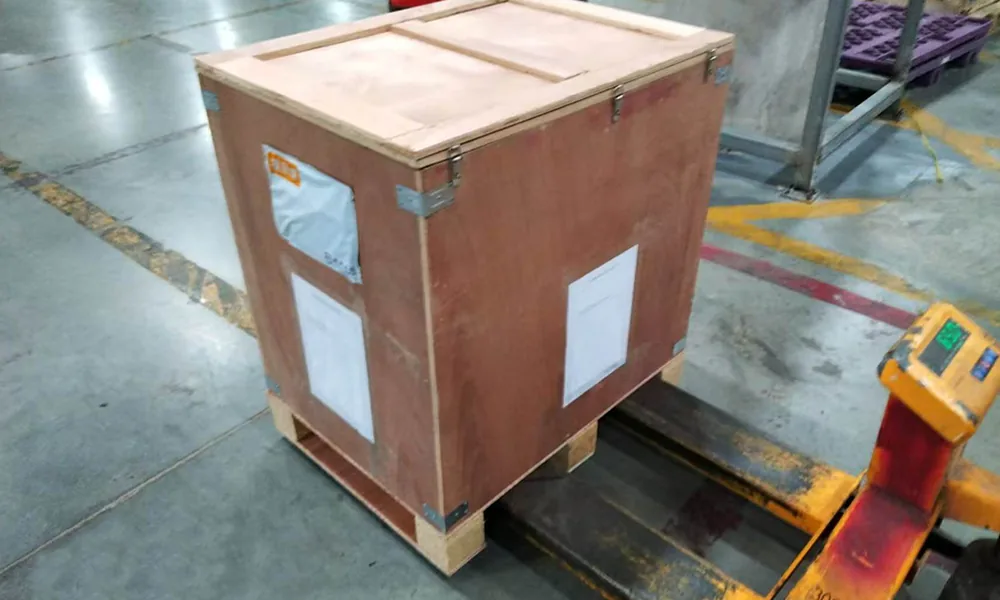
Packing is the final shipment-completeness check and reconciliation. Before the crate or package is closed, the shipment is checked against the confirmed order and packing list so the machines, accessories, spare parts, documents, labels and packaging scope are complete and assigned correctly.
The exact packing method depends on machine structure, dimensions, detachable parts, accessory set, transport route and the agreed commercial terms. A wooden crate shown in factory evidence is not a promise that every shipment uses the same materials or dimensions.
Model, quantity, label and serial references align with the packing list.
Rotary, fixture, extraction, cables and tools are secured and identified.
Ordered service items are counted, grouped and listed for the receiver.
Agreed language, files, licenses or media are included in the confirmed form.
Moving elements, optics and vulnerable interfaces are protected for the selected route.
Marks, documents, trade terms and responsibility points are confirmed before dispatch.
Lead Time Is Conditional
What Changes the Production Schedule
Quantity matters, but it is not the only scheduling input. A smaller mixed or modified order can require more coordination than a larger repeat batch.
Timing is confirmed only after the commercial and technical scope is sufficiently stable to check component, assembly, test and packing readiness.
One repeated build and several unrelated machine architectures require different sequencing.
Laser source, controller, optics, frames and optional devices are checked against current availability.
Voltage, language, accessories, enclosures or fixtures may add review and preparation work.
Samples, artwork, labels, manuals or customer confirmation can determine when the build is released.
Machine type, options and agreed acceptance evidence affect test scheduling and batch release.
Crate scope, consolidation, documents and freight readiness affect the shipment handoff.
Batch Order Controls
Batch Order Control Checklist
Once the purchase route is clear, the control focus changes by batch pattern. Use this checklist to confirm the inputs, consistency controls and release records that matter for each order.
| Order type | Buyer inputs | Control focus | Release evidence |
|---|---|---|---|
| Single-model batch | Reference model, quantity, configuration, destination and required options. | Unit-to-reference consistency and approved variation tracking. | Configuration list, unit identification, agreed tests and packing list. |
| Mixed-model batch | Quantity and configuration for every model plus consolidation requirements. | Line-item separation, shared schedule dependencies and accessory assignment. | Model-by-model release status, acceptance evidence and consolidated packing list. |
| Distributor replenishment | Previous order reference, current quantities, stock priorities and requested changes. | Comparison with the approved earlier build and current availability. | Confirmed changes, current configuration and replenishment packing scope. |
Need private-label supply? Private-label requirements belong to OEM & Private Label Manufacturing; this page remains focused on quantity, configuration consistency, mixed orders, replenishment and batch delivery.
Buyer Confirmation
What Buyers Should Confirm for a Batch Order
From quotation through shipment release, the buyer and supplier should keep the commercial order, confirmed configuration, acceptance scope and delivery list aligned.
- 01Lock every line itemConfirm model, quantity, laser source type, power class, field, controller, voltage, plug, language and accessories.
- 02Define change controlAgree how availability-driven substitutions or scope changes will be reviewed and approved.
- 03Confirm batch release statusKeep the release status of each completed machine tied to the correct order line before shipment consolidation.
- 04Reconcile delivery itemsMatch machines, spares, accessories, manuals, software and labels to the packing list.
- 05Confirm shipment responsibilitiesState destination, trade term, packing expectations, required documents and the responsibility handoff.
Next Step
Plan a Batch or Repeat Supply Order
Send the model mix, quantities, configuration, destination and delivery requirements. Zhuorui Laser will review the order line by line, identify missing inputs and define the quotation and production-confirmation path.
Useful RFQ package: model or application / quantity by line / destination / voltage and plug / marking requirements / accessories and spares / language / target timing / trade terms / packing and documentation needs.