There is no single reliable laser marking machine lead time that applies to every order. A useful delivery estimate has to separate the supplier-side schedule from the logistics schedule: first the machine configuration is confirmed, then the machine is built or prepared, tested and released for shipment, and only after that does carrier transit begin.
The exact timeline can change with the machine configuration, order quantity, engineering or customization requirements, component availability, testing requirements and the destination. For project or repeat-order planning, two questions matter: “How many days does delivery take?” and “Which part of the timeline are we measuring, and which order details still need to be confirmed?”
Once those details are confirmed, the schedule can be separated into an estimated production and release timeline, a ready-to-ship date, and a transit estimate for the selected shipping route.
What Does “Laser Marking Machine Lead Time” Actually Include?
Lead time is easy to misunderstand because different dates may be discussed in the same conversation. A production estimate, a ready-to-ship date and a final delivery date are not interchangeable.
From Confirmed Configuration to Ready to Ship
On the supplier side, the schedule normally begins only after the order scope is sufficiently clear to plan the machine. Depending on the order, that may include confirming the laser source, power, marking field, machine structure, accessories, installed functions, electrical requirements, branding or other agreed configuration details.
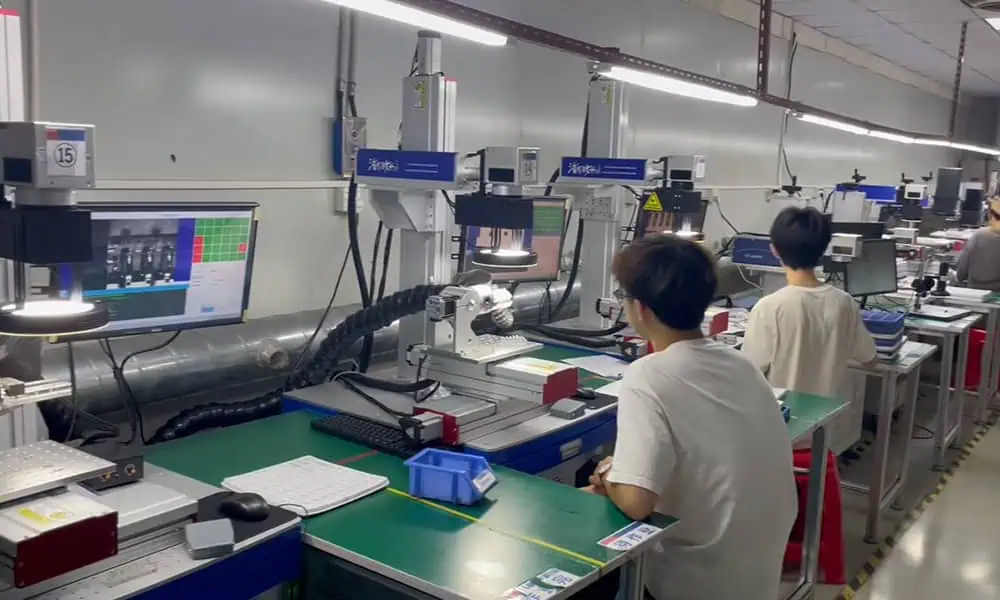
After confirmation, the supplier-side schedule may include machine preparation or assembly, wiring and software setup, commissioning, function checks, sample validation where required, stability testing, final inspection and packing for release. Manufacturing lead time includes more than the time physically spent assembling components; queue time, setup, inspection and other production activities can also contribute. Oracle’s manufacturing lead-time documentation also separates order preparation, queue, setup, run, move and inspection time.
The supplier-side stage ends at the ready-to-ship date: the point at which the confirmed machine has completed the release process and is available for dispatch.
From Dispatch to Final Delivery
Once the machine leaves the supplier, a different clock starts. Carrier service, origin and destination, shipment characteristics, customs documentation, regulatory clearance and local delivery conditions can all affect the time between dispatch and final receipt.
When comparing quotations, confirm what each delivery figure actually measures. One supplier may be referring to production lead time while another may be discussing estimated door-to-door delivery. Check whether the quoted time ends at factory release, carrier pickup, port departure or arrival at your facility.
What Changes the Ready-to-Ship Date?
The factory-side schedule changes when the work required before release changes. The main variables are configuration scope, quantity, component requirements and any testing or approval work that is still open.
Configuration and Engineering Scope
A standard configured machine and a machine-level custom laser marking project do not create the same planning workload. Selecting a common laser source, power, marking field or normal accessory is different from changing the machine structure, enclosure, motion arrangement, control logic or other project-level engineering.
For a machine-level custom project, Zhurui’s current workflow is:
Requirement → Engineering Review → Configuration / Layout Confirmation → Build → QC Handoff
Engineering confirmation is part of the project timeline. If the layout, workpiece handling, installed functions or other machine-level requirements are still changing, the project is not at the same scheduling stage as a confirmed standard configuration.
Quantity, Configuration Baseline and Changes
Order quantity can affect production planning when build, setup, inspection or release work increases with the number of machines. The relationship is not necessarily proportional: ordering five machines does not automatically mean the lead time is five times that of one machine. The actual effect depends on how the order is scheduled and which work can be prepared or checked in parallel.
Component availability can also affect the schedule. If a required source, galvo, controller, field lens, accessory or other purchased component is not available when the order is released for production, procurement time can become part of the overall schedule. Current component availability should therefore be confirmed for the actual order instead of assumed from a generic website lead time.
For repeat supply, configuration control matters. Zhurui’s batch production and repeat-supply process is based on an approved configuration baseline, change control and consistency between the approved unit and later units. If the repeat order remains within that approved baseline, fewer configuration decisions may need to be reopened. If the source, power, enclosure, accessory, software requirement, documentation or another agreed item changes, the changed scope should be reviewed before the new production schedule is confirmed.
Testing and Release Are Part of the Schedule
A machine being physically assembled does not mean it is ready for shipment. Zhurui’s current quality control and machine testing process includes installed-configuration confirmation, laser output power testing, commissioning, function checks, a stability run, customer sample testing, a final check, and packing and release.
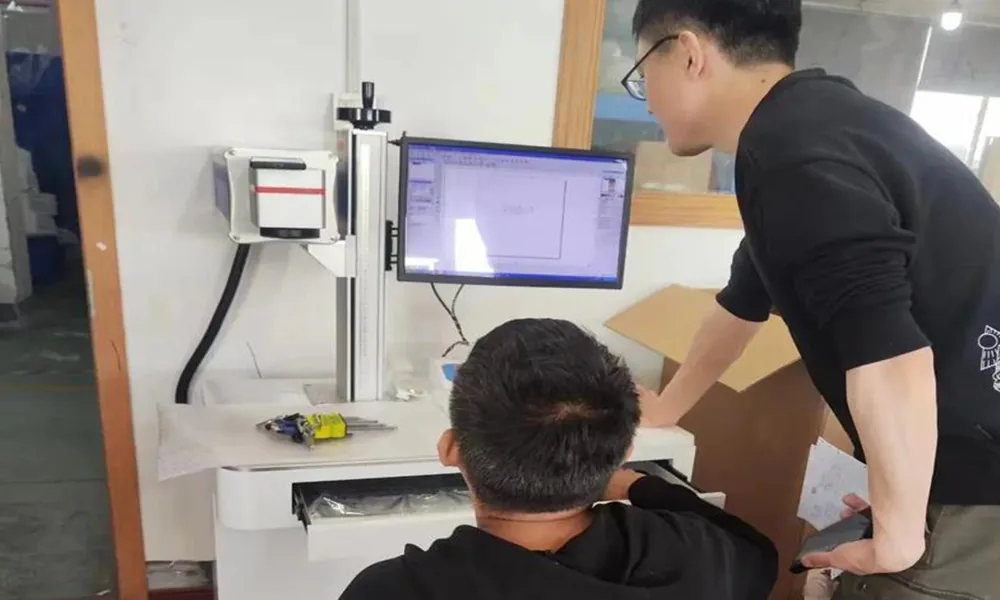
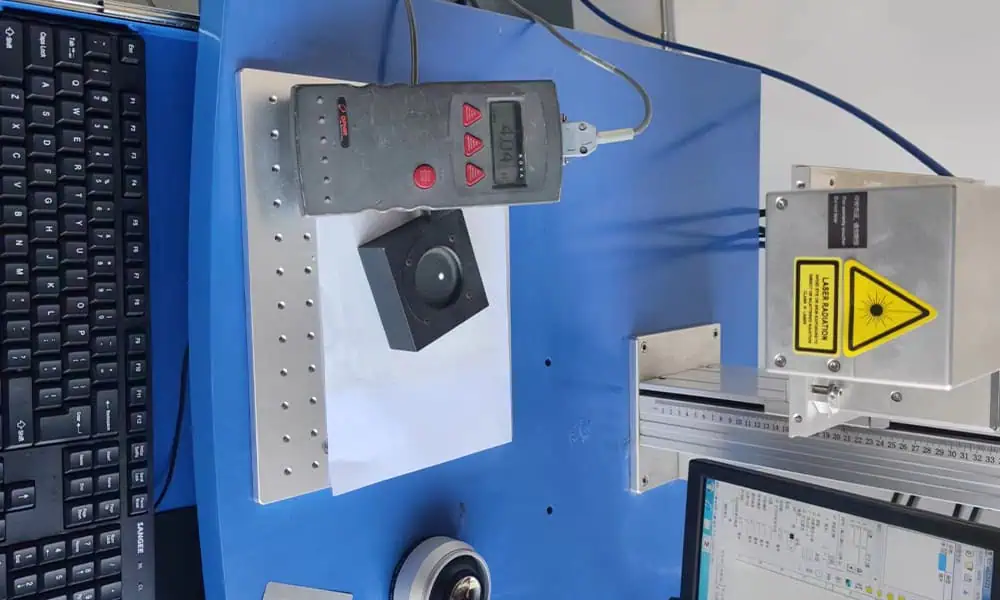
The current stability-run process uses different durations according to machine complexity:
- 24 hours for standard machines.
- 48 hours for machines with specified additional functions, such as CCD vision, electric Z, XY motion, online marking, rotary or 3D functions.
- 72 hours for defined project-type machines, such as certain multi-axis, complex vision-plus-motion, green-laser, femtosecond or picosecond projects.
These are stability-run durations within the QC process. They are not total production lead times and should not be read as a promise that a standard machine can be ordered and shipped within 24 hours, or that every project machine can be completed within 72 hours.
Testing adds real time to the schedule. Leaving it out of a lead-time calculation may make a quotation look faster, but it does not show when the machine is actually ready for release.
Why Standard, Custom and Repeat Orders Should Not Use the Same Scheduling Assumption
A published lead-time number is only meaningful when the order conditions behind it are clear. The key question is which decisions are already confirmed and which still require engineering, production or commercial review.
| Order Situation | What Still Needs to Be Confirmed | Main Scheduling Implication |
|---|---|---|
| First standard or configured order | Final configuration, quantity, required functions, sample requirements and current production availability | The production schedule can be established after the current order baseline is confirmed. |
| Machine-level custom project | Engineering requirements, layout, machine structure, functions and other project-specific decisions | Engineering review and configuration confirmation are part of the schedule before or during the build. |
| Approved repeat or batch order | Quantity, current production schedule and whether the approved configuration has changed | An unchanged approved baseline can reduce the number of configuration decisions that need to be reopened. |
| Repeat order with configuration changes | The changed components, functions, appearance, documentation or other affected requirements | The changed scope needs review before the new schedule is treated as a true repeat-order schedule. |
A repeat order should not automatically be described as “faster.” An approved baseline can simplify configuration confirmation, but the actual ready-to-ship date still depends on quantity, current component availability, production scheduling, testing and any changes requested for the new batch.
Ready to Ship Is Not the Same as Delivered
For international orders, the factory release date is only one part of the time-to-receipt calculation. Once the machine has been dispatched, the carrier and import process introduce a different set of variables.
For purchasing plans:
Supplier-side preparation and release schedule + logistics/transit time = estimated time to receipt
Treat this as a planning framework, not a fixed formula. The logistics portion still depends on the selected service, destination, shipment date, shipment characteristics and customs or regulatory clearance conditions.
Incomplete or incorrect customs information can lead to requests for additional documentation, inspection or a clearance hold. DHL Express’s customs guidance lists incomplete shipping documents, incorrect HS codes and regulatory non-compliance among common causes of customs delays. A carrier transit estimate is useful for planning, but it does not guarantee that customs, local delivery and every external condition will follow the same schedule.
If your project has a hard installation or production-launch date, ask for the estimated ready-to-ship date and the estimated transit or arrival date separately. This makes it much easier to see which part of the schedule is controlled by the machine supplier and which part depends on the logistics route.
What Should You Provide to Get a Reliable Lead-Time Estimate?
A more reliable schedule requires the information that drives production and delivery. Before requesting an exact lead-time estimate, prepare as many of the following inputs as possible:
- Application or machine requirement: what the machine will mark and the machine direction already under consideration.
- Laser and configuration: laser type, power, marking field or other configuration already selected, if known.
- Required functions: rotary, CCD vision, XY motion, 3D, online marking, electric Z or other installed functions that are part of the project.
- Machine-level customization: enclosure, workstation, motion, fixture, interface or other engineering changes outside the normal configured-machine scope.
- Quantity: the number of machines required in the current order.
- OEM or branding changes: logo, nameplate, appearance, documentation, packaging or other OEM and private-label requirements when applicable.
- Sample or approval requirements: whether customer samples, mark approval or another project-specific acceptance step is required.
- Destination: the destination country or region needed for logistics planning.
- Shipping preference: the preferred carrier or transport mode when already known.
- Required project date: the date by which the machine needs to ship, arrive or enter production at your facility.
Ask the supplier to separate the estimate into stages rather than returning only one date:
- Configuration or engineering confirmation
- Estimated production or build schedule
- Testing and release stage
- Estimated ready-to-ship date
- Estimated transit or arrival time, where available
Useful wording for your RFQ: “Please separate the estimated ready-to-ship date from transit time, and state any assumptions related to configuration, quantity, testing, component availability and destination that could change the schedule.”
Separating the stages makes the assumptions behind the schedule visible. If quantity, configuration or shipping conditions change later, both sides can see which part of the estimate needs to be updated instead of treating the original delivery date as an unconditional promise.
A useful lead-time estimate is tied to a confirmed machine, a defined order scope and a clearly separated logistics plan—not a generic number on a web page.
If you need a project-specific schedule, request a quote with your machine requirements, configuration, quantity, customization needs, destination and required project date. The order details can then be reviewed before a production and delivery estimate is confirmed.